




Grazing & hay


General Purpose Paddock Seed
A hard-wearing, durable grazing mix that combines excellent palatability with long-lasting performance.
£60.00
£65.00
Save £5.00
Tax included. Delivery options shown at checkout.
Palatable grazing & hayRyegrass-based, selected for roughage.
Hard wearingA tough, persistent sward.
10kg does ~0.7 acreSown at 14 kg/acre.
How many bags for my paddock?Work it out below.
Germination tested seed. Follow the sowing guide for best results.
Next working day where availableOrder by noon, Mon–Fri; check checkout
Returns within 14 daysUnopened seed; see delivery & returns
Seed adviceSee the sowing guide below
70% perennial ryegrass · 16% strong creeping red fescue · 8% meadow fescue · 6% timothy · Backed by Barenbrug
What makes this different
Genuine pasture seed, not cheap surplus
Plenty of bagged paddock seed is cheap agricultural surplus. This is the real thing: grass varieties Barenbrug selects for grazing quality, durability and palatability, not the lowest price.
Backed by Barenbrug
One of the world’s biggest grass-seed companies, developing lawn and sport varieties since 1904. The varieties in this bag are selected for the use described on this page.
Selected for grazing, not lowest cost
Palatable, productive pasture varieties chosen for grazing and hay quality, a world away from the cheap agricultural seed sometimes bagged up as paddock mix.
A tough, quality sward
The ryegrass gives durable, palatable grazing; meadow fescue and timothy add leaf, winter-hardiness and quality horses want to eat. The fescues also knit the sward and cope with variable paddock ground.
The detail
Specifications & characteristics
Specifications
Sowing rate14 kg/acre (full reseed) · 10 kg/acre (oversow)
Coverage10kg ≈ 0.7 acre (~2,890 m²)
Germination7–14 days
Mixture70% perennial ryegrass · 16% strong creeping red fescue · 8% meadow fescue · 6% timothy
Bag size10 kg
Best sownApril–September (soil 8°C+, pH 6–6.5)
Characteristics
Palatability★★★★★
Grazing durability★★★★★
Hay suitability★★★★★
Speed of establishment★★★★★
Winter hardiness★★★★★
Low-sugar (laminitis) suitability★★★★★
Is it right for your paddock?
What it’s for, and what it isn’t
A general-purpose grazing and hay mix. Here’s the honest fit.
Grazing & turnout
Its main job
Taking a hay cut
Then graze the aftermath
New paddock or reseed
Establishes quickly
Poached gateways
Sow heavy, or patch tough
Laminitis-prone horses
Use Ryegrass Free
Plan the paddock
How many bags for your paddock?
Enter your paddock size, choose full reseed or oversow, and we’ll work out the bags.
Product details
How it grazes, and how to establish it
The practical detail, seeding rate, establishment and aftercare for a paddock, not a lawn.
What’s really in the bag
Four grasses, one job: feed horses well
Here’s what each part of the mix does.
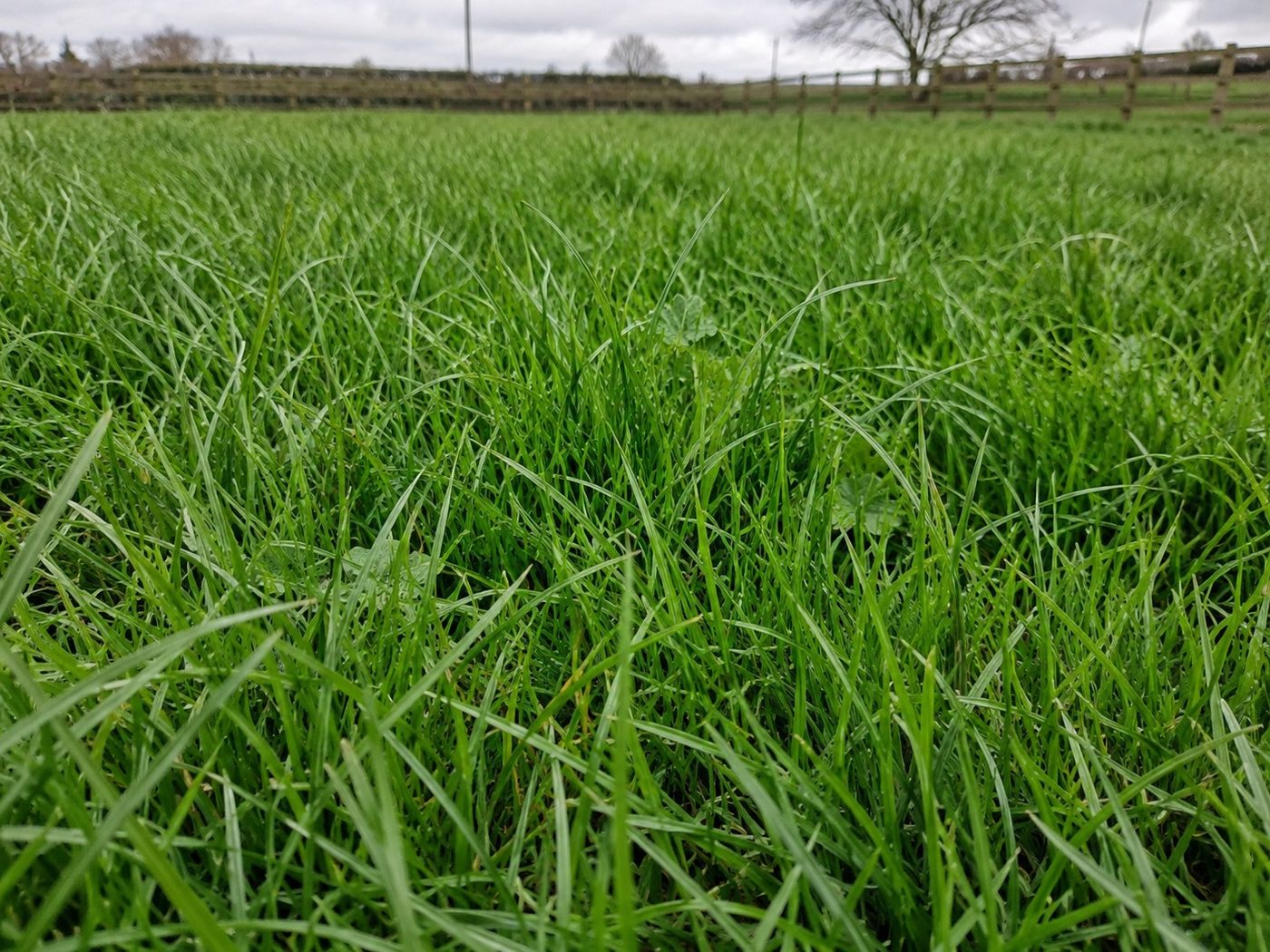
The science70% perennial ryegrass · lower-fructan varieties
Durable, palatable grazing that recovers fast
Ryegrass is hard-wearing, quick to establish and grows back after grazing, the backbone of a productive paddock. The varieties here are selected for roughage and lower fructan than standard ryegrass.
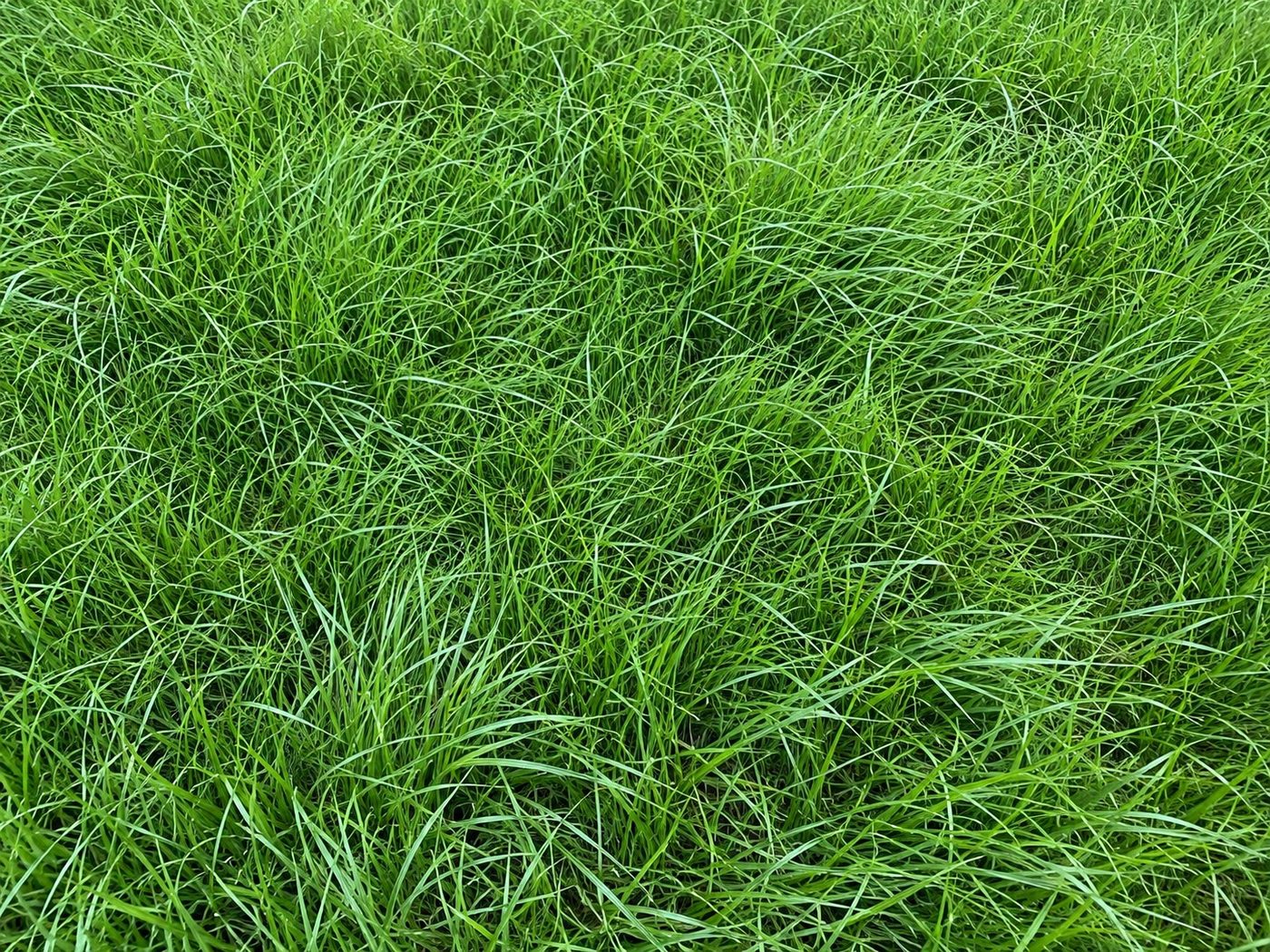
The science16% strong creeping red fescue + 8% meadow fescue
A tough base that copes with real paddock ground
Strong creeping red fescue spreads through the sward. Meadow fescue adds a leafy, winter-hardy grass to the grazing mix.
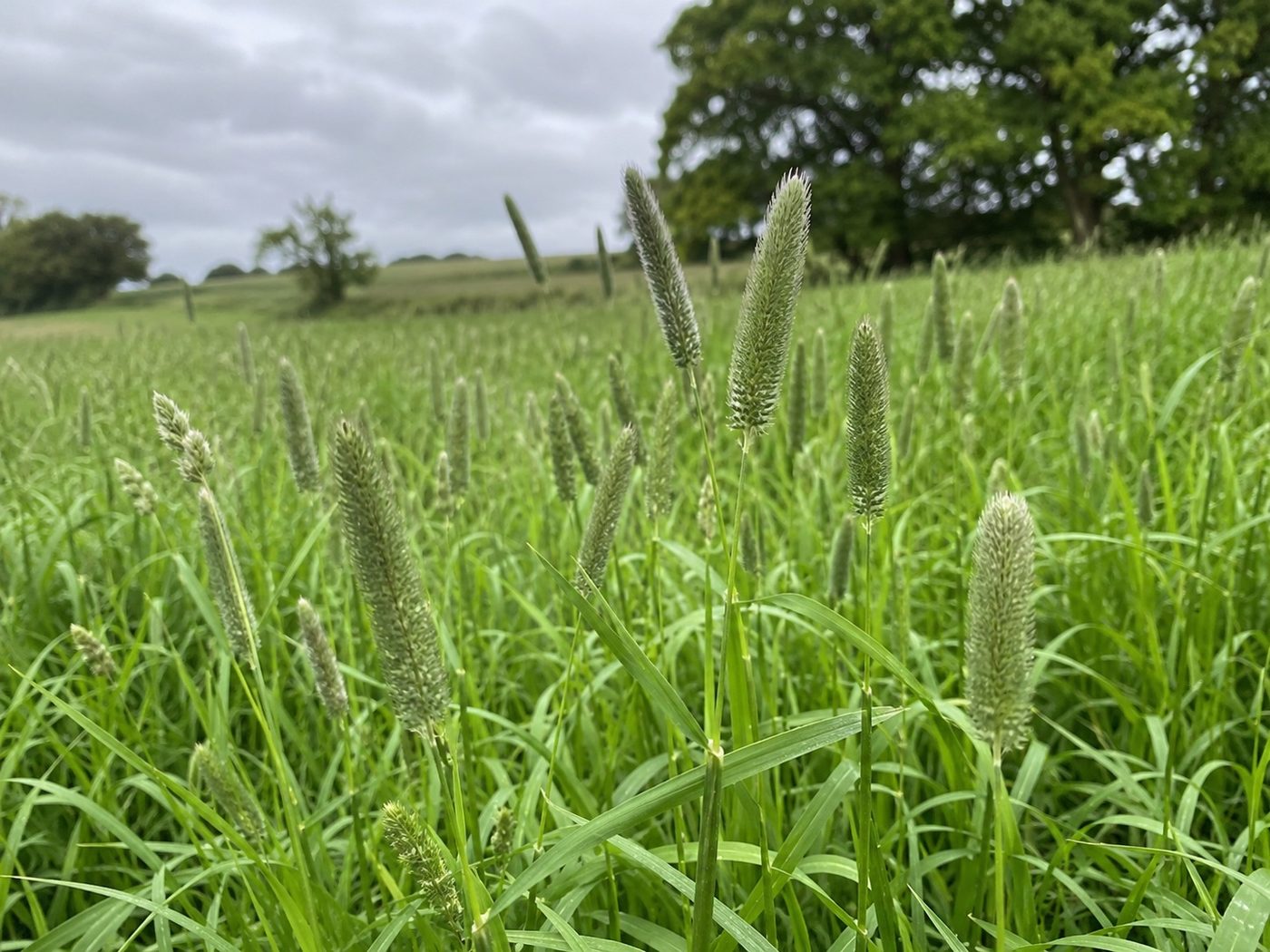
The science6% timothy
Timothy adds variety to the sward
Timothy is a leafy, palatable forage grass. It adds variety to a paddock used for grazing or hay.
Establishing your paddock
From seedbed to first grazing
Day 0
Sow into a firm, warm seedbed & roll
Days 7–14
Germination
6–8 weeks
Rooted & tillering, keep stock off
First graze
Light grazing or topping once established
Customer reviews
What horse owners say
Let’s clear this one up
“14 kilos an acre? That can’t possibly be enough.”
The doubt
“A lawn takes bags and bags. Fourteen kilos to do a whole acre looks far too thin.”
It’s the natural assumption if you’re used to sowing a lawn, so people over-order, or worry it’ll come up sparse.
What’s true
A paddock is the opposite of a lawn: fewer, bigger, leafier plants.
A lawn needs a dense carpet of tiny plants. A paddock needs larger plants that put up plenty of leaf for grazing and hay, so the rate is a fraction of a lawn’s, about 14 kg/acre against roughly 120 kg/acre for a lawn.
One 10kg bag sows just over two-thirds of an acre.
Drill it, or broadcast and harrow/roll it into the top 10–15 mm, too thin to scatter loose and hope.
No surprises
What to expect, and who it’s not for
We’d rather you bought the right seed than the wrong one.
What to expect
- Durable, palatable grazing from a ryegrass base.
- Suitable for a hay cut, then graze the aftermath.
- Quick to establish in warm soil.
Good to know
- Keep horses off until it’s well rooted (several weeks) or they’ll pull out seedlings.
- It’s a ryegrass-based general-purpose mix, not a low-sugar one. For laminitis-prone or good-doer horses, choose our Ryegrass Free Paddock Seed.
- Sow into warm soil (8°C+, roughly April–September) and don’t feed at sowing.
Questions, answered
Before you buy
Why is the sowing rate only 14 kg/acre?
Because a paddock isn’t a lawn. You want fewer, larger, leafier plants for grazing and hay, not the dense carpet of tiny plants a lawn needs. A lawn is sown at roughly 120 kg/acre; a paddock at about 14.
How much do I need for my paddock?
14 kg/acre for a full reseed, or 10 kg/acre to oversow an existing paddock. At 14 kg/acre one 10kg bag does just over two-thirds of an acre. Enter your paddock size in the calculator and it’ll tell you the bags.
When can my horses graze it?
Once it’s well established and rooted, usually several weeks after sowing. Let it tiller and give it a light top or graze first, rather than turning horses straight onto young seedlings.
Is it safe for a laminitic or good-doer?
It’s a ryegrass-based general-purpose mix and isn’t a low-sugar option, so it isn’t the right choice for laminitis-prone or good-doer horses. For those, use our Ryegrass Free Paddock Seed.
Can I overseed a tired paddock instead of ploughing?
If less than about half the sward is weeds or bare, yes: graze or cut it down hard, open the surface with chain harrows or a rake, broadcast the seed and harrow/roll it in. If it’s more than half gone, it’s usually better to plough and start again.
Can I take hay from it?
Yes. Take a hay cut, then graze the aftermath. The timothy and meadow fescue add quality to both.
How many bags do I need?
Pop in your paddock size and we’ll do the maths.
Not sure this is the one?
Answer a few quick questions about your garden and we’ll point you to the perfect mix.
Find your perfect seed