





Shaded Areas Grass Seed
For the patches where grass gives up, under trees, along the fence, north-facing, that still need to take everyday use.
Tax included. Free next-day UK delivery.
What makes this different
The grass the professionals use
Most bagged ‘grass seed’ is surplus field seed. This is amenity grass: the lawn-and-sport varieties Barenbrug develops to be finer, denser and tougher than anything grown for fields.
Backed by Barenbrug
One of the world’s biggest grass-seed companies, developing lawn and sport varieties since 1904. The same grass they supply to golf greens and pitches goes into your bag.
Amenity grass, not field seed
Lawn-and-sport varieties, chosen for a finer blade and a deeper green, and far tougher than the agricultural seed often bagged up cheap for gardens.
Shade-bred fescues, not a lucky dip
Three-quarters of this bag is fescue, hard, slender and strong creeping red, the grasses that actually cope with low light and the dry soil under trees, where other seed just sits and sulks.
The detail
Specifications & characteristics
Will it work in my garden?
Will it suit your garden?
Soil type is the question we’re asked most. Here’s the straight answer.
Plan the area
Get the right amount for your shady patch
Enter the size, check it’s the right mix, or work out how much you need.
Product details
How it grows in shade, and what to expect
The practical detail behind the mix, from germination timing to reviews and specs.
What’s really in the bag
Shade tolerance and wear, in one bag
Here’s what each grass in the mix does.
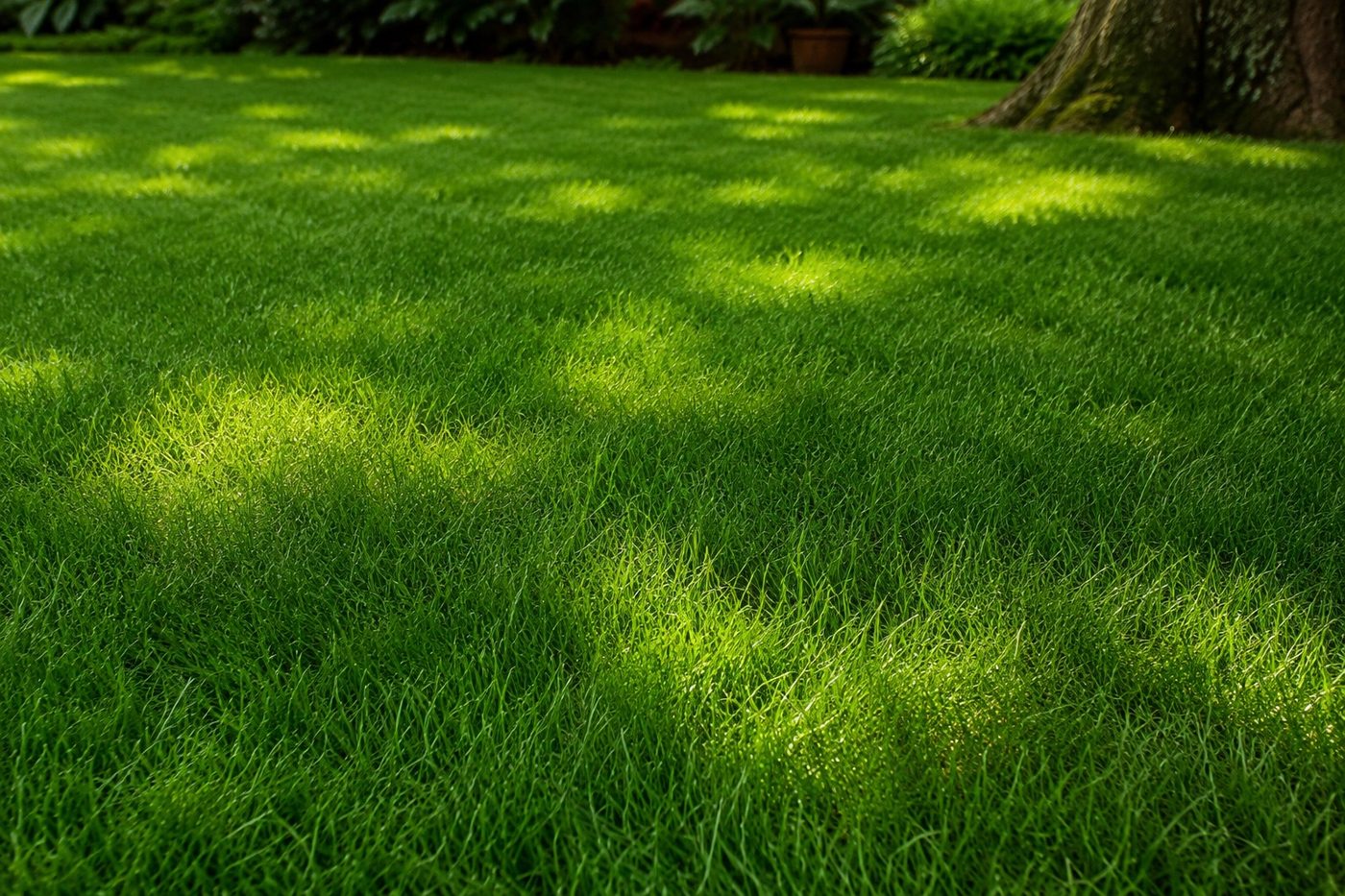
Grows where the light doesn’t reach
Hard, slender and strong creeping red fescue are the shade specialists, they hold on in low light and in the dry, root-filled soil under trees that starves ordinary grass of water.
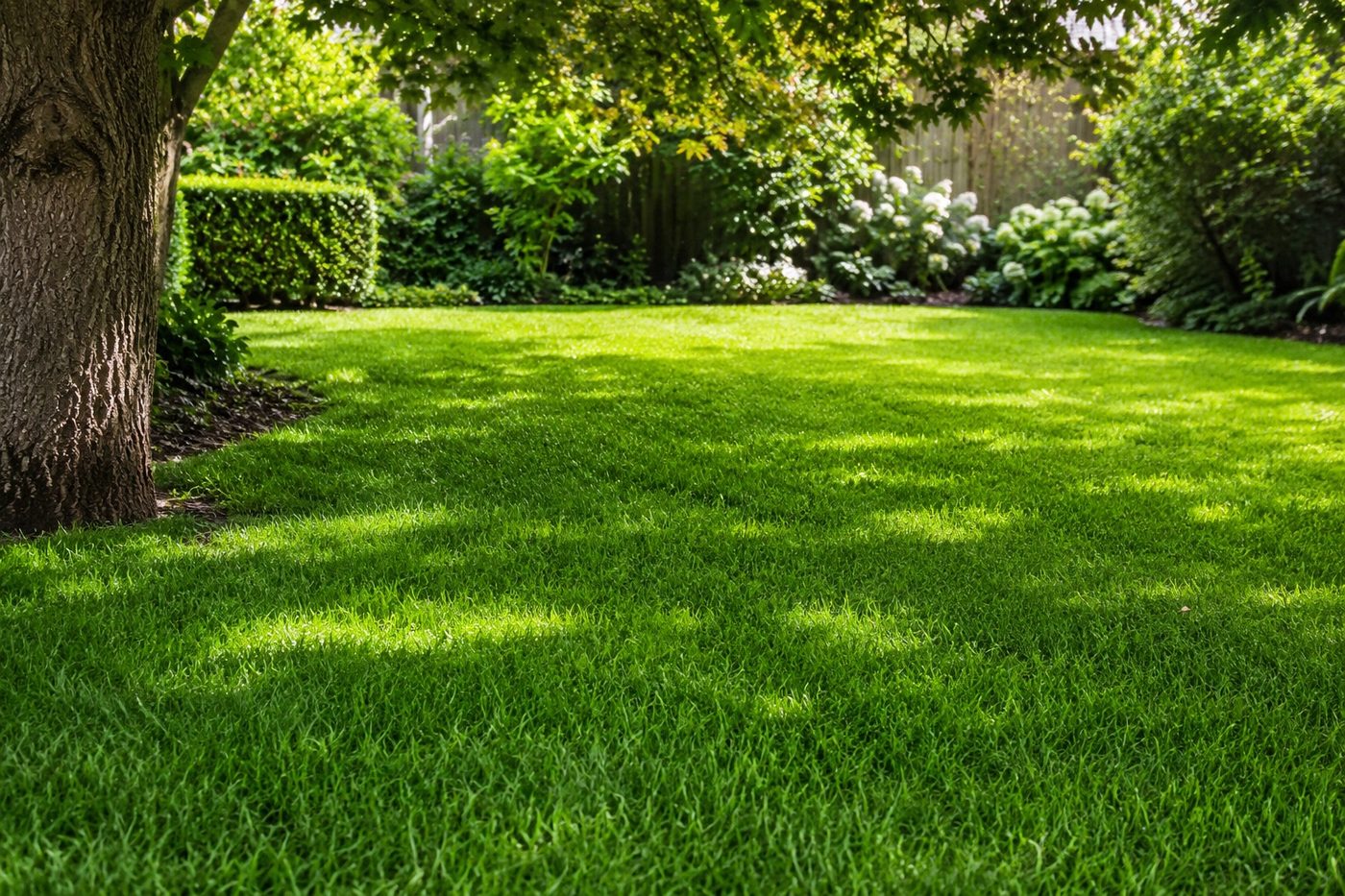
So the shady spot still takes a beating
Most shade mixes are all-fescue and can’t handle wear. The ryegrass here means a shaded lawn the kids and the dog can actually use, and it greens up faster too.
Creeps in and fills the gaps
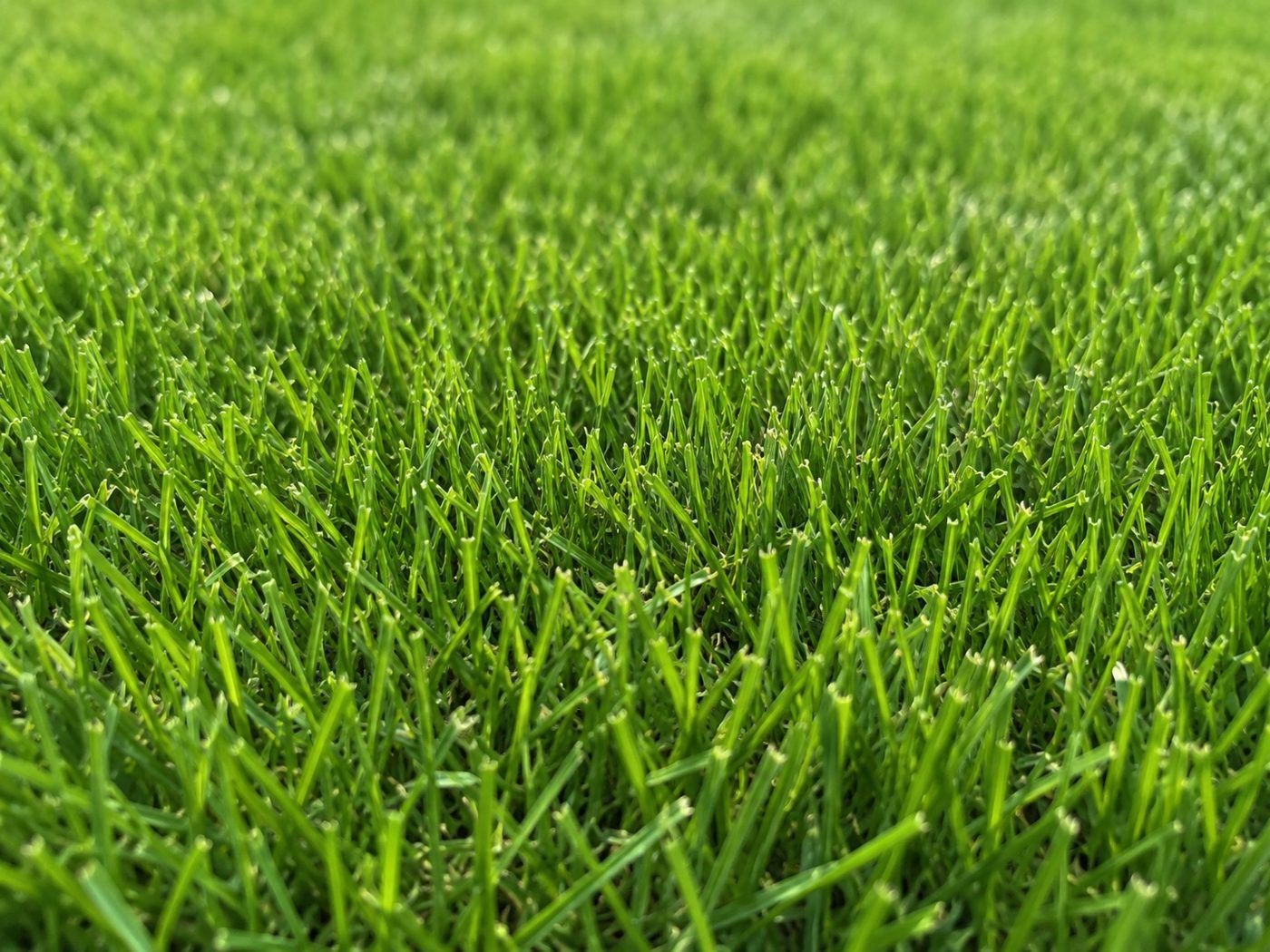
It sends out runners under the surface, so it knits thin patches together and blends into the lawn you already have, ideal for overseeding a bare, shaded strip.
When you’ll see green
From bare soil to established in about six weeks
Real results
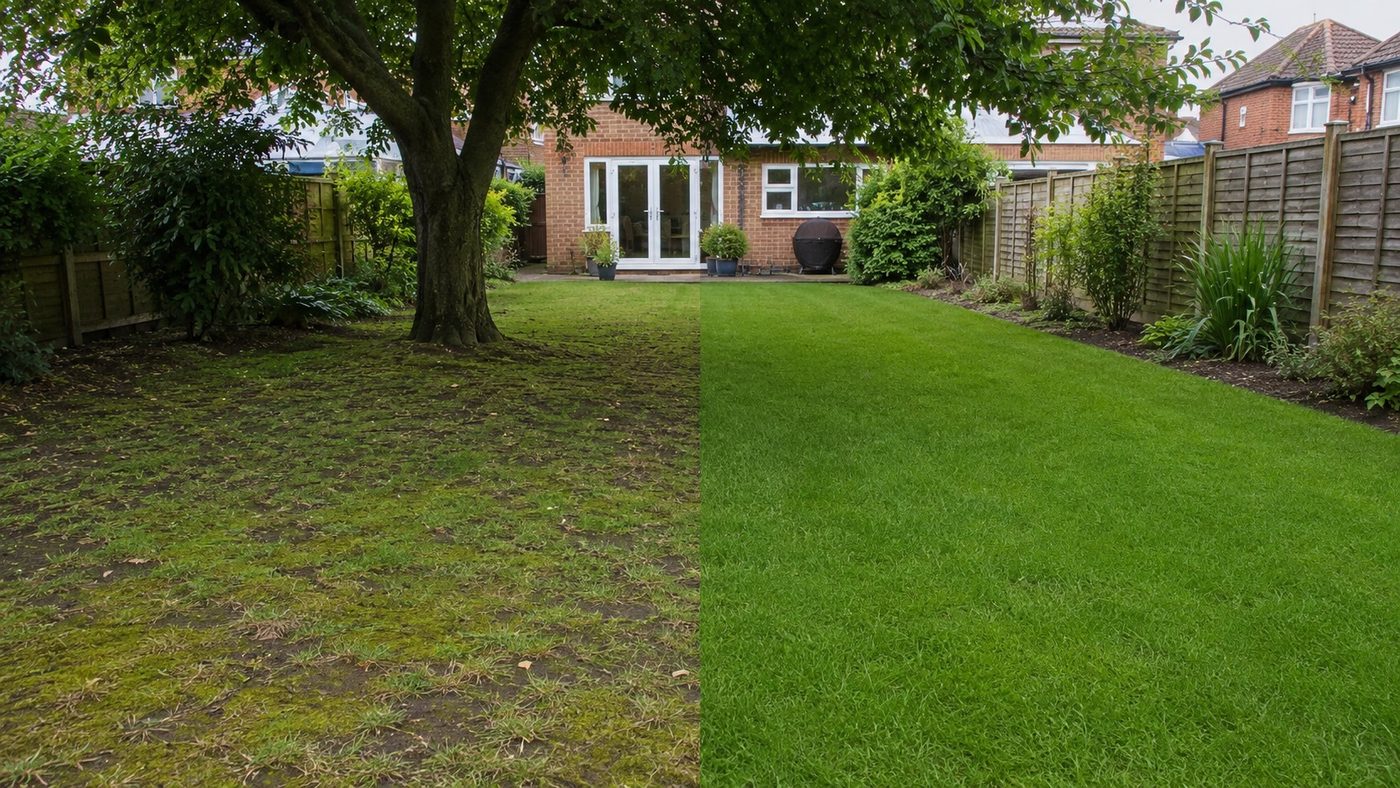
A bare, shaded strip, brought back
The same shaded spot, thin and mossy before (left), lush and even after (right).
Customer reviews
What real gardeners say
Only received 4.8kg when I weighed it, including the bag so probably less!
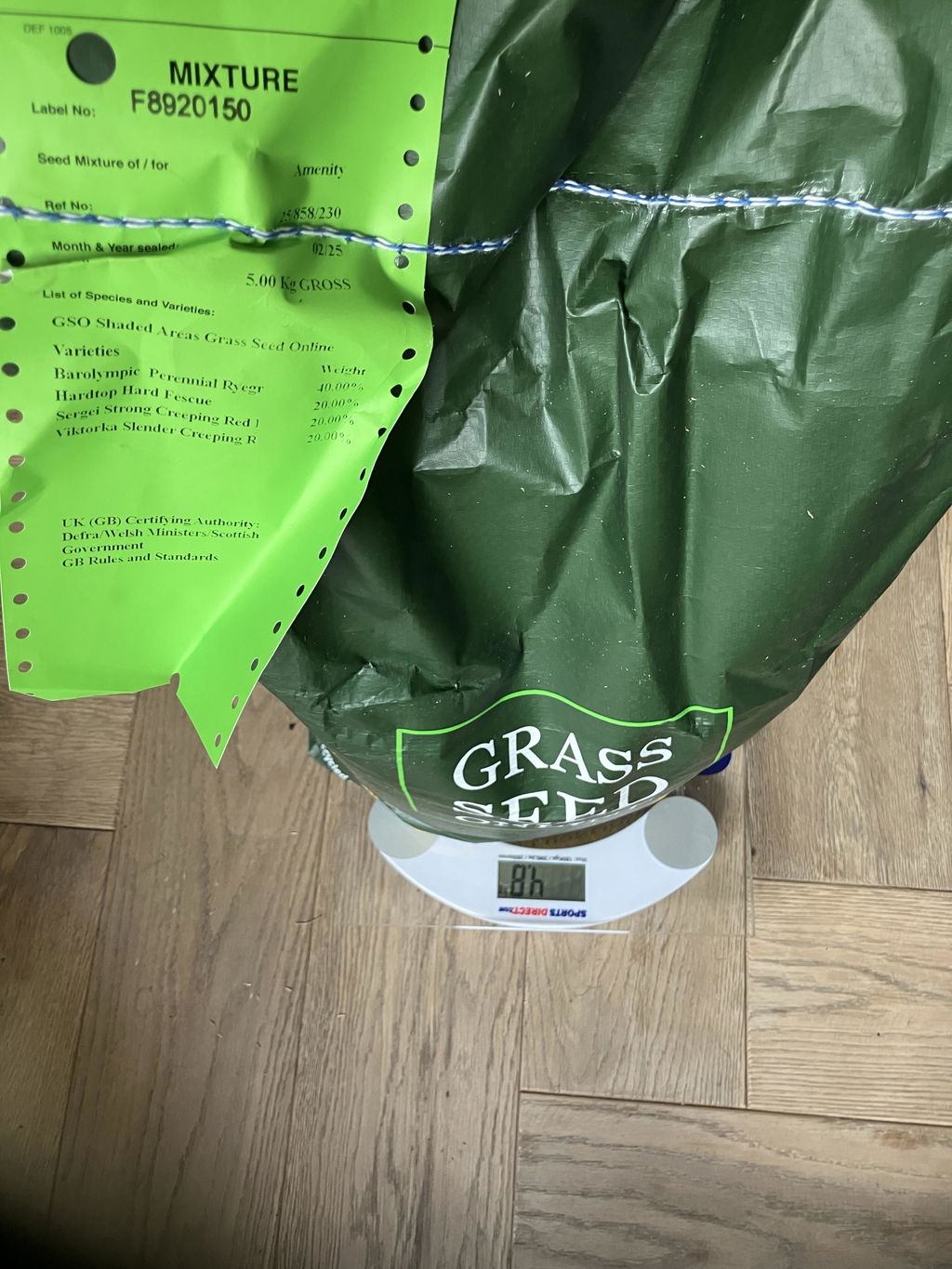
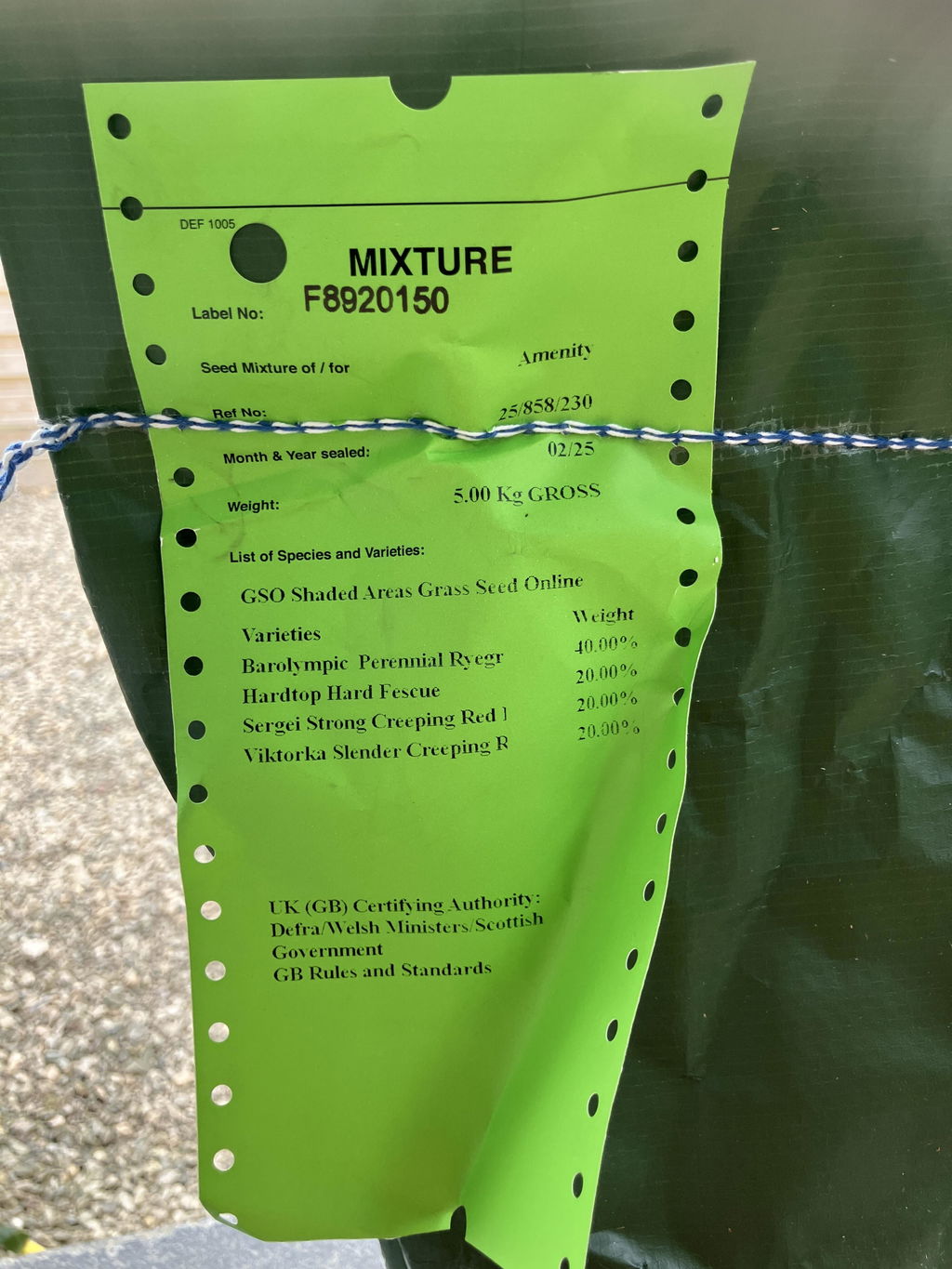
Thank you for bringing this to our attention. We apologise for any inconvenience caused by the short delivery of our grass seed. It is not our intention to short ship our customers. Our bag filling machinery is regularly calibrated and certified to ensure accurate weights. We would be happy to send out another 1.75Kg (our smallest pack size) to make up for the difference in this instance. Thank you for your understanding. Please contact us to arrange shipping.
This is the second time we've used this grass seed (on different areas) and we've been very happy with the results on both occasions. The areas are in shade for a lot of the day but the grass has grown well.
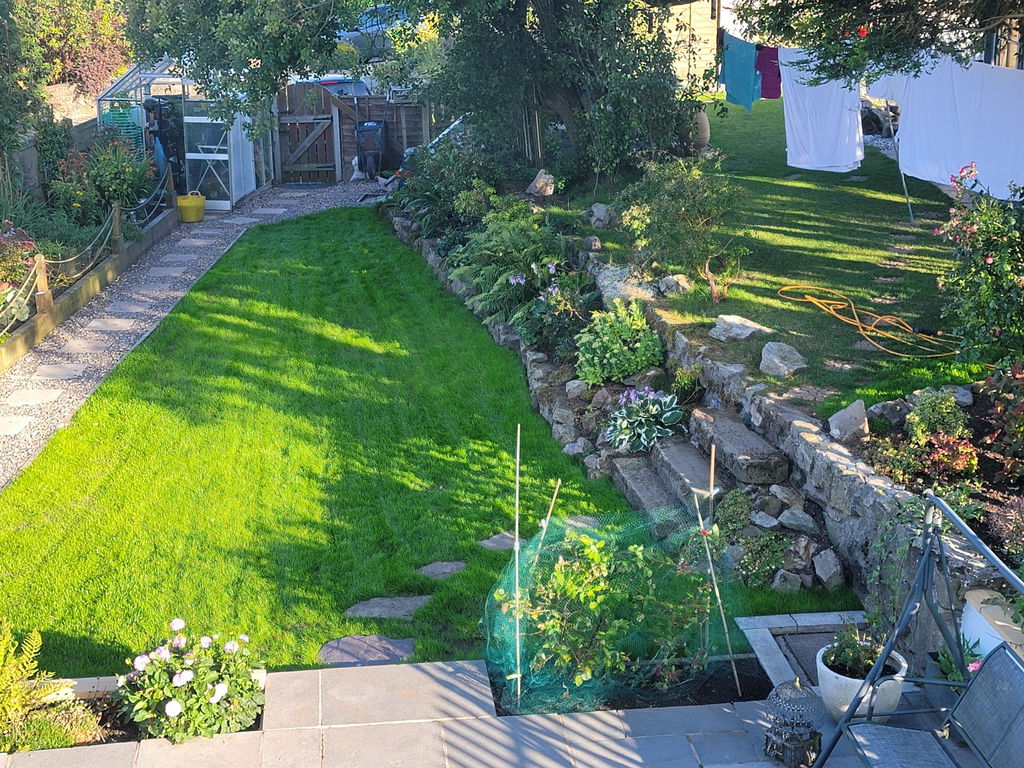
Thank you so much for your positive review. We're thrilled to hear that our grass seed has been successful in shaded areas for you not just once, but twice! It's great to know that our product is performing well in those conditions. Thank you for choosing our grass seed and we hope it continues to thrive in your shaded areas. Have a great day!
Pleased with the outcome so far. But very patchy and erratic in germination Some areas will need reseeding in the autumn 👍


Thank you for taking the time to post the photos - pictures look great! The patches should fill in fairly quickly - they are just caused by minor differences in moisture/firmness in the soil which affect the germination.
The delivery was perfect and just in time as I had the ground almost prepared ready for sowing. Very quickly the see started to sprout and it was growing exceptionally well unfortunately a couple of small patches I missed as it was hand sown. I will reseeded these areas when I place my next order. Highly recommended.
Hi John, thank you for your wonderful review! We're glad you're happy with the delivery and quality of our grass seed. Thank you for your continued support!
Very good, germinates very fast
Hi Crystal, we're thrilled to hear your grass seed germinated quickly! Thanks for sharing your positive experience.
We were very happy with the grass seed!!!
Thank you for your positive feedback! We're delighted to hear you're happy with the grass seed. If you need any further assistance, please don't hesitate to reach out.
Shade seed is germinating despite the late sewing and despite the recent week long heatwave in the UK. Not sprouting yet in the sunnier areas but willing to give it time. The packaging for the big 5k bag also seems like it has eco credentials which is attractive.
We're glad to hear your shady garden is thriving! Thanks for highlighting the eco-friendly packaging. Wishing your sunnier areas success soon.
Worked a treat!
We're so glad to hear that our Grass Seed for Shaded Areas worked well for you. Thanks for taking the time to leave a review. Happy gardening!
Next to zero germination over 4 weeks.
Thanks for letting us know — sorry to hear you’ve seen little germination after four weeks. The weather conditions so far this spring have been far from ideal and germination can be affected by things like soil temperature, moisture levels and how the seedbed was prepared, so we’re more than happy to help look into what might have happened. If you’d like to get in touch, we can go through it with you and help get things growing properly.
The new grass hasn’t come up particularly well. Weather I know has been iffy. It’s been sewn for three weeks. I wait in hope.
Thank you for your review. We're sorry to hear that the new grass hasn't come up as well as expected. The weather can definitely play a role in the growth of the grass. We recommend giving it some more time, as it can take up to 6 weeks for full growth. Hang in there, and we hope to hear some positive updates soon!
Just sown, haven’t seen results yet, so far so good…
We're glad to hear that you've sown the grass seed in shaded areas and it's off to a good start. We hope to hear more positive results from you soon. Happy gardening!
Great product. Germinated quickly and great service
We're thrilled to hear that it germinated quickly and that our service was great. We appreciate your support and hope to continue providing you with high-quality products and excellent service.
Brought embankment seed, its taken a while to get going but not the best time of year to be sowing, looks good now though. Delivery and correspondence was also promt and good.
Thank you for taking the time to leave a review. We're glad to hear that it's starting to show progress on your embankment despite the less than ideal sowing time.
We always strive to provide prompt and efficient service, so we're happy to know that our delivery and correspondence met your expectations.
Thank you for choosing our product and for your feedback.
Lovely stuff - already showing and looking good
Thank you for your lovely review! We're thrilled to hear that our Grass Seed for Shaded Areas is already showing and looking good in your lawn. Keep up the good work and happy gardening!
Looks ok but won’t know until it’s grown
Great product - doing really well - fast delivery
Thank you so much for your positive feedback. We are thrilled to hear that our Grass Seed for Shaded Areas is working well for you, and that you received your order quickly. Your satisfaction is our top priority. Happy gardening!
First time using grassseed online and the experience has been awesome! I have a medium sized lawn with tree and hedge shade along side full sun areas. I opted for shaded area grass seed as the description said it would also grow well in full sun. I'm new to reseeding so this is by no way the actions of an expert. Just someone who researched well. I scarifier, raked,airated and watered with iron sulphate. I then fertilised and levelled with topsoil and a lute. Seeded heavily everywhere so that the pigeons wouldn't make a dent in the quantity. I then lightly rollered the seed in and put down a thin blanket layer of topsoil. I completed this task around the end of April. Scarifying absolutely destroyed the lawn and took it back to bare soil in many areas but I trusted the process and watered 3 times a day every day so that the seed was nicely saturated but not drowned. Well... the result is exceptional ! My lawn is now thick and lush EVERYWHERE! It took on average 12 days for the seed to germinate but in some very shaded areas it took up to 20 days. The results are amazing! I have a few 'hand sized' patches here and there but not many. These will get sorted out through the summer. I ordered 20kg of seed and I have a 300sqm lawn area. I used about 3/4 of the bag. This stuff is awesome. The full sun areas are also thriving. Definitely worth the money .
Thank you for taking the time to leave such a great review of our Grass Seed for Shaded Areas. We're really pleased to hear it's worked well for you in both shaded and sunny areas. It sounds like you put in a lot of care and effort, and we're glad to hear it paid off. Thanks again for choosing our seed and for sharing your experience. Happy gardening!
We needed to thin out trees and let.in some light. The seeded areas between are a great improvement.
Thank you for your review. We're so glad to hear that our Grass Seed for Shaded Areas helped improve your garden. Happy gardening!
Growing well despite the wet conditions.
Hi there, thank you for taking the time to leave a review for our Grass Seed for Shaded Areas. We're so happy to hear that your lawn is growing well, even in the wet conditions. Keep up the good work! If you ever need any additional support or tips, please don't hesitate to reach out to us. Happy gardening!
The seed fully germinated after about 12 days, and will get its first cut in one weeks time. Looking good!
Hi there! Thank you for taking the time to leave a review. We're thrilled to hear that our grass seed is working well for you and that you're already seeing results after just 12 days.
Well been a few weeks since areas seeded, not to much showing yet but🙏🙏🙏
They seem to grow fairly quickly and strongly, also, they seem to spread which it doesn’t happen with many shop bought seeds, I will buy again thank you!
We are so glad to hear that our Grass Seed for Shaded Areas is living up to your expectations! Thank you for sharing your experience with us.
Not the result I was hoping for
The growth has been very slow after 3 weeks and barely noticeable in many areas
Not happy…..
From purchase to delivery to aftercare the service is very easy and personal.
The seeds were sewn onto newly graded soil and have taken very well!
Would certainly use again and recommend.
Very pleased... my second purchase. Germinated quickly in shady and partial sunny areas and is establishing itself well. Customer Services were very helpful. I would certainly recommend.
I made a mistake with my order and customer services via email sorted it out, and it was all effortless. I like when people make my life easy,
Thank you Amarjit!
Let’s clear this one up
“Nothing grows in the shade under my tree.”
“I’ve tried grass there twice and it always dies.”
“That corner is just a lost cause, too dark, too dry.”
Ordinary lawn seed dies there. A fescue-led shade mix doesn’t.
The bare patch isn’t your fault, it’s the wrong grass. Under a tree you’re fighting two things at once: low light and roots stealing the water. Fine fescues are built for exactly that.
No surprises
What to expect, and who it’s not for
We’d rather you bought the right lawn than the wrong one.
What to expect
- Green shoots in about 2–3 weeks.
- Grass that holds on in shade and copes with light use.
- Fills and blends into thin, shaded patches.
Good to know
- It’s slower to germinate than a sunny lawn, that’s the fescues, not a fault.
- Even the best shade grass needs some light; in near-total darkness, lift the tree canopy or thin branches first.
- For a fine ornamental, bowling-green finish in sun, our Traditional Lawn is the better pick.
Questions, answered
Before you buy
Will it really grow under a tree?
How much shade is too much?
Can I oversow a bare shady patch in my existing lawn?
Why is it slower to come up than my normal lawn seed?
Will the shaded area look different to the rest of my lawn?
Is it OK in full sun as well?
How much seed do I need?
Pop in your lawn size and we’ll do the maths.
Not sure this is the one?
Answer a few quick questions about your garden and we’ll point you to the perfect mix.
Find your perfect seed