






Top seller


Hard Wearing Grass Seed
A tough family lawn that takes the kids, the dog and the games. Grows back thick.
£73.00
Tax included. Delivery options shown at checkout.
Green in 7–14 daysQuick to establish, even from 5–7°C soil.
Built for family useKids, dogs, games and regular mowing.
80% ryegrass / 20% fescueFast recovery plus a denser knitted finish.
Need the exact amount?Use the calculator before you buy.
Germination tested seed. Follow the sowing guide for best results.
Next working day where availableOrder by noon, Mon–Fri; check checkout
Returns within 14 daysUnopened seed; see delivery & returns
Seed adviceSee the sowing guide below
80% perennial ryegrass · 20% strong creeping red fescue · Backed by Barenbrug
What makes this different
The grass the professionals use
Grass seed mixes vary by their intended use. This mix uses amenity varieties selected for lawns and sport.
Backed by Barenbrug
One of the world’s biggest grass-seed companies, developing lawn and sport varieties since 1904. The varieties in this bag are selected for the use described on this page.
Amenity grass, not field seed
Lawn-and-sport varieties selected for appearance and wear tolerance.
A tight-knit, dense lawn
The strong creeping red fescue creeps along the ground and fills the gaps the ryegrass leaves. You get a dense, even surface with no bare patches.
The detail
Specifications & characteristics
Specifications
Sowing rate25–35 g/m²
Germination7–14 days (from 5–7°C)
Mowing heightDown to 15 mm
Mixture80% perennial ryegrass · 20% strong creeping red fescue
Bag sizes1.5 / 5 / 10 / 20 kg
Best sownMarch–October
Characteristics
Wear tolerance★★★★★
Speed of establishment★★★★★
Density★★★★★
Drought tolerance★★★★★
Shade tolerance★★★★★
Fineness of leaf★★★★★
Will it work in my garden?
Will it suit your garden?
Soil type is the question we’re asked most. Here’s the straight answer.
Clay & most soils
Wide range
Family & pets
Built for it
High foot traffic
Recovers fast
Light shade
A degree of
Deep shade
Choose Shaded
Plan the lawn
Get the right amount before you sow
Enter your lawn size or check this is the right mix before you sow.
Product details
How it grows, what it suits and what to expect
The practical detail behind the mix, from germination timing to reviews and specifications.
What’s really in the bag
Two grasses, two jobs
Here’s what each one does for your lawn.
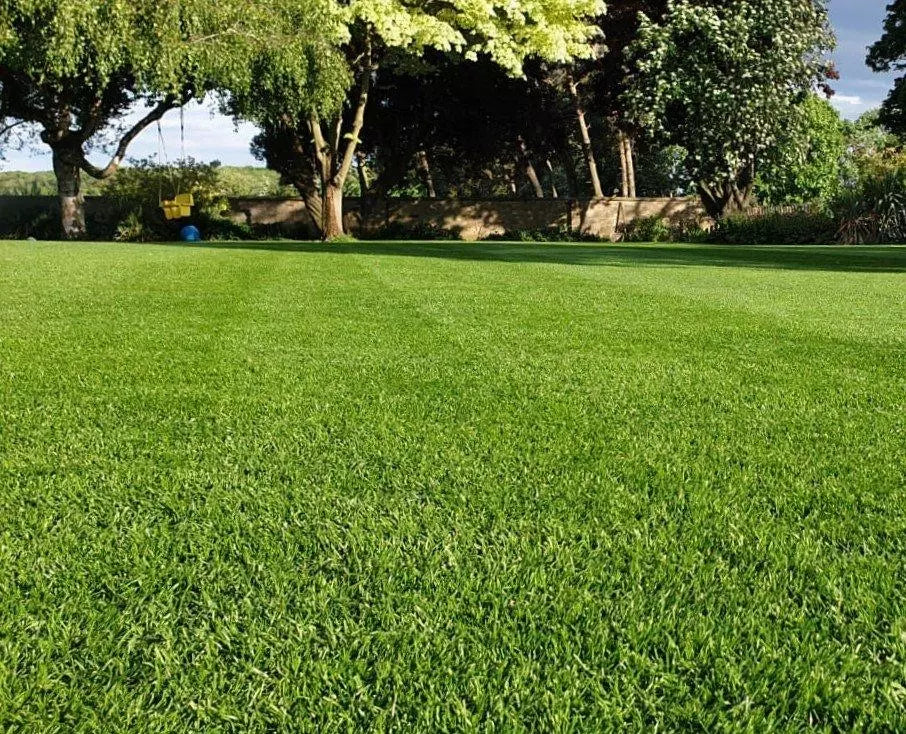
The science80% perennial ryegrass · germinates from 5–7°C
Green in 7–14 days, even when it’s still cold out
Perennial ryegrass is one of the quickest-germinating grasses there is, and it gets going even at low temperatures, when other seed just sits there. So you see green fast, and it bounces back when the kids, the dog and the football have had their turn.
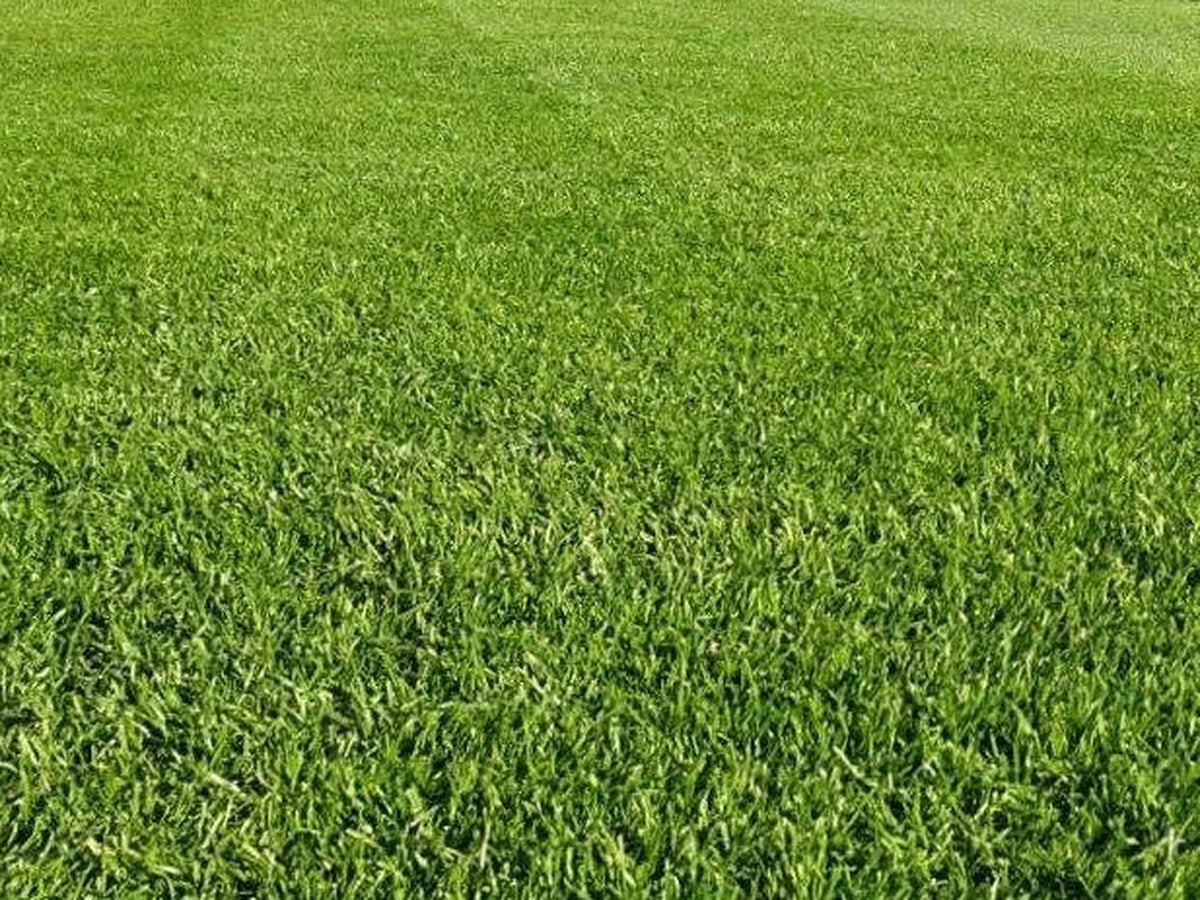
The science20% strong creeping red fescue · rhizomes
It creeps along the ground and fills the gaps
Ryegrass grows in tufts, so on its own it leaves small gaps. The strong creeping red fescue sends out roots that creep along under the surface and fill them in. You’re left with a tight-knit, dense lawn and no bare patches.
The scienceShiny ryegrass leaf blade
Mows into proper, defined stripes
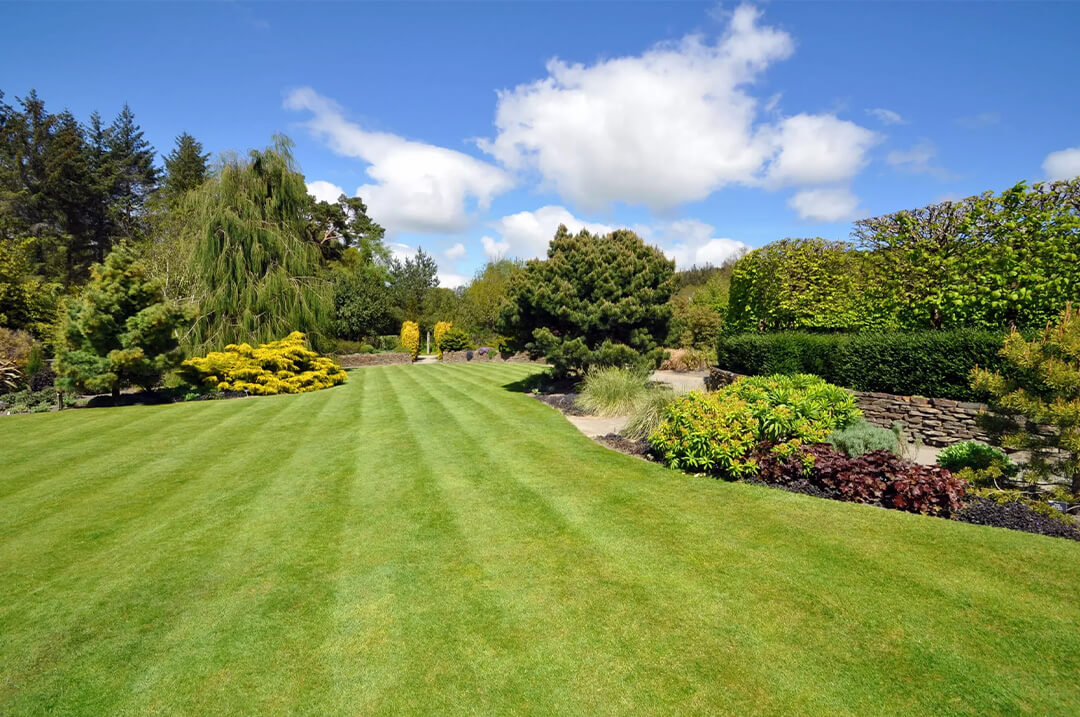
The ryegrass has a shiny leaf blade. Mow in alternating lines and it catches the light, giving you crisp, defined stripes. Not too different from a Premier League pitch, in your own back garden.
When you’ll see green
From bare soil to mowable in about six weeks
Day 0
Sow & water in
Days 3–5
First shoots appear
Days 7–14
Green coverage
Week 6
Established & ready to mow
Customer reviews
What real gardeners say
n
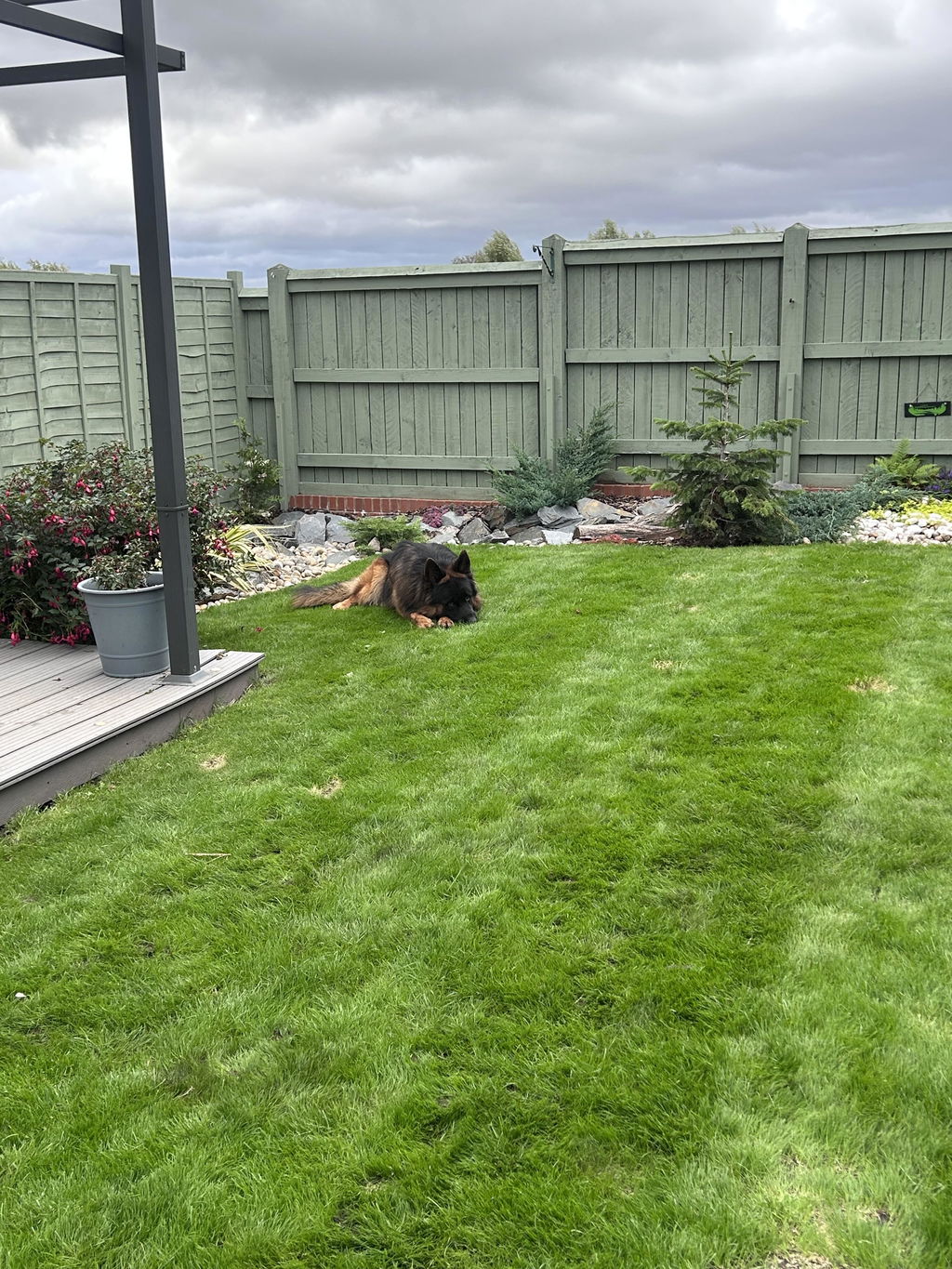
Not had much success over the years with grass seed, so decided to have one last try after our German shepherd virtual destroyed our Lawn. So did everything by the book did a lot of research on grass seed. Seven days later my lawn was transformed I couldn’t believe it we had the right growing conditions and good prep but I can’t fault these seeds and the great help from this company will defiantly buy and recommend this company
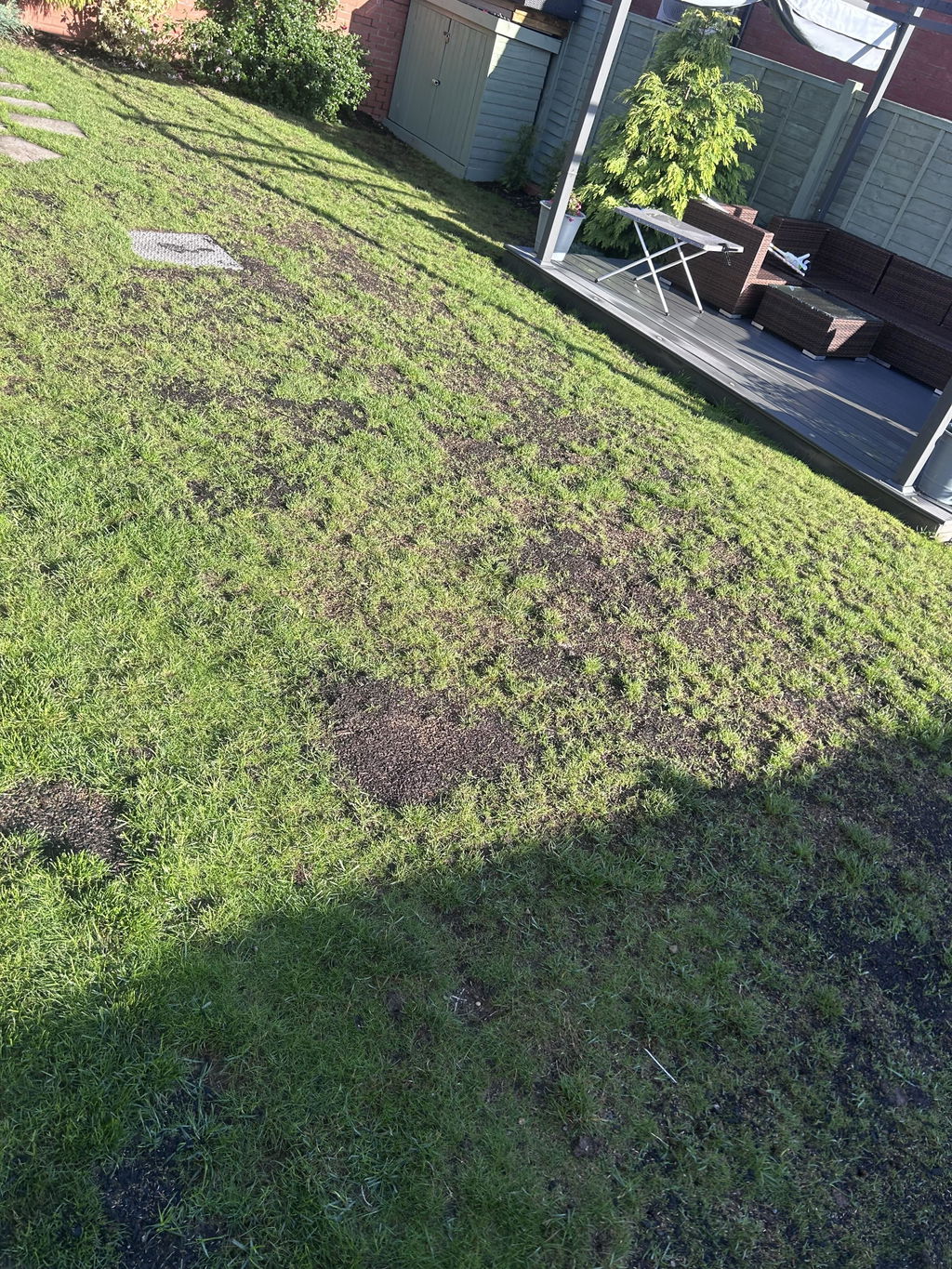
M
Really impressed with how the garden has come out… Grass started growing within 6 days
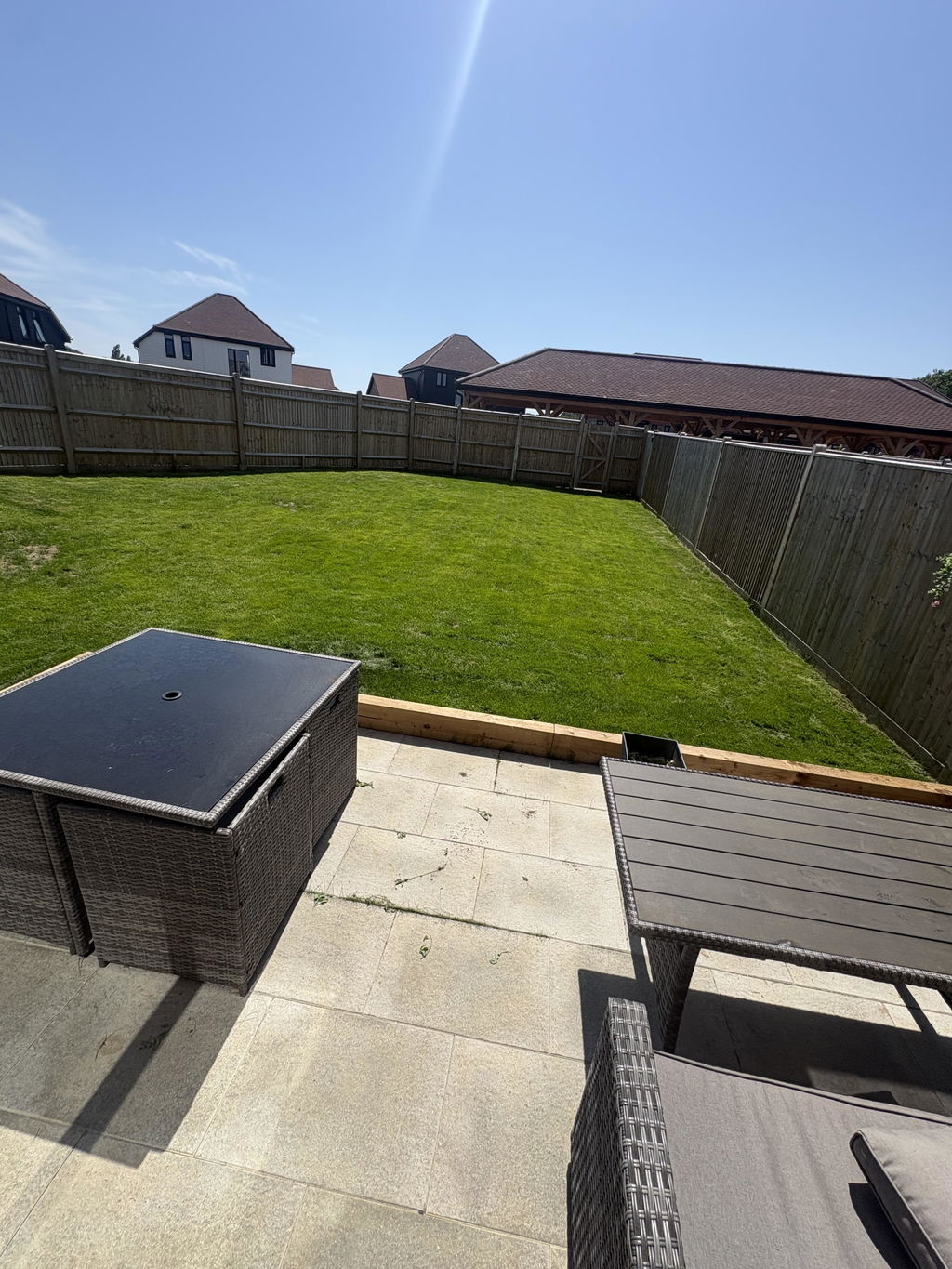
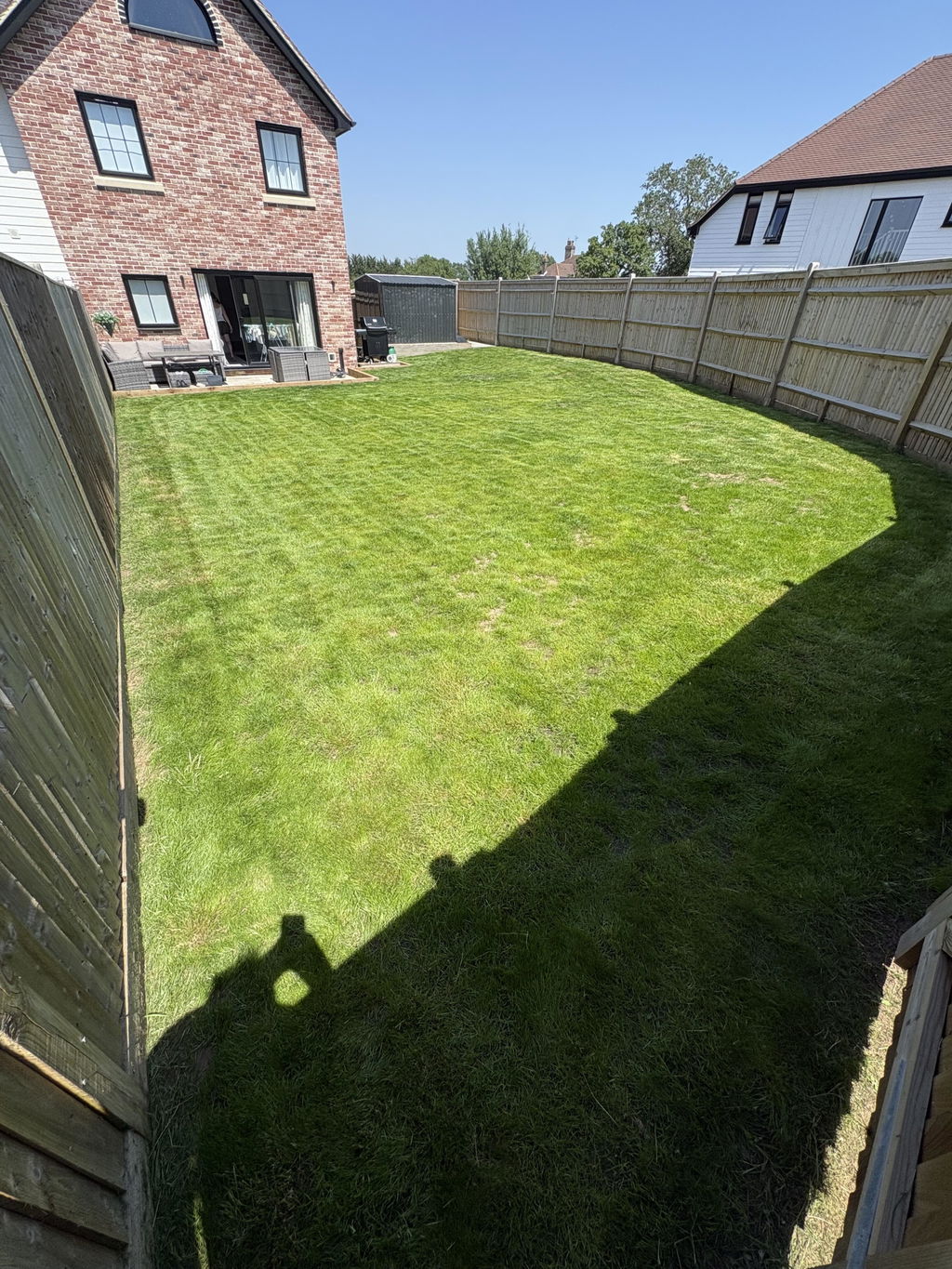
We're delighted to hear your garden is thriving so quickly! Thanks for sharing your experience with our grass seed. Enjoy your beautiful lawn!
M
Very pleased - great results
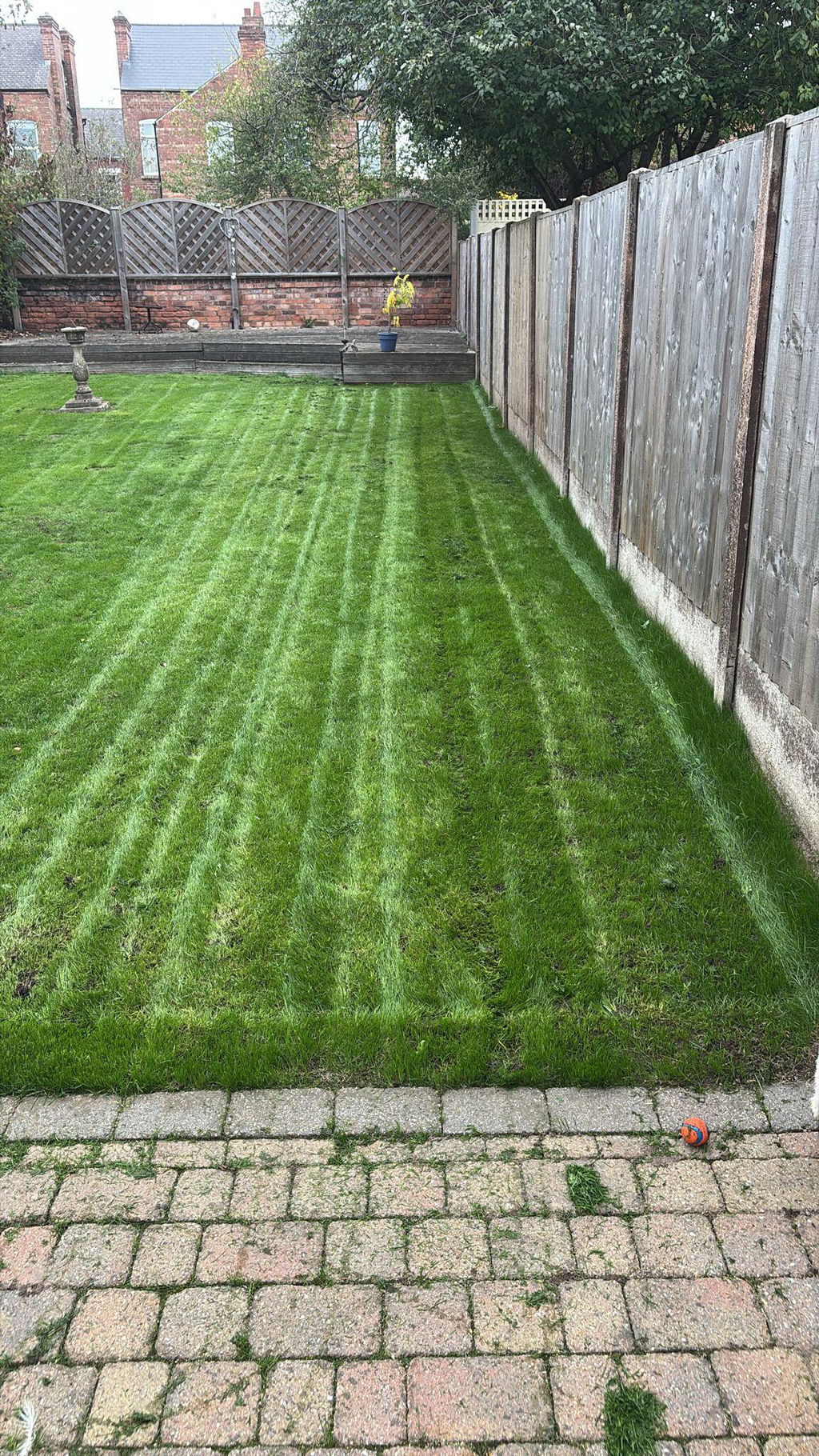
We are thrilled to hear that you are pleased with our Hard Wearing Grass Seed and have achieved great results. Thank you for taking the time to leave us a review. We truly appreciate your support. Happy gardening!
R
Excellent customer service! Quick delivery and prompt response to queries. Grass grown nicely and I am well happy!
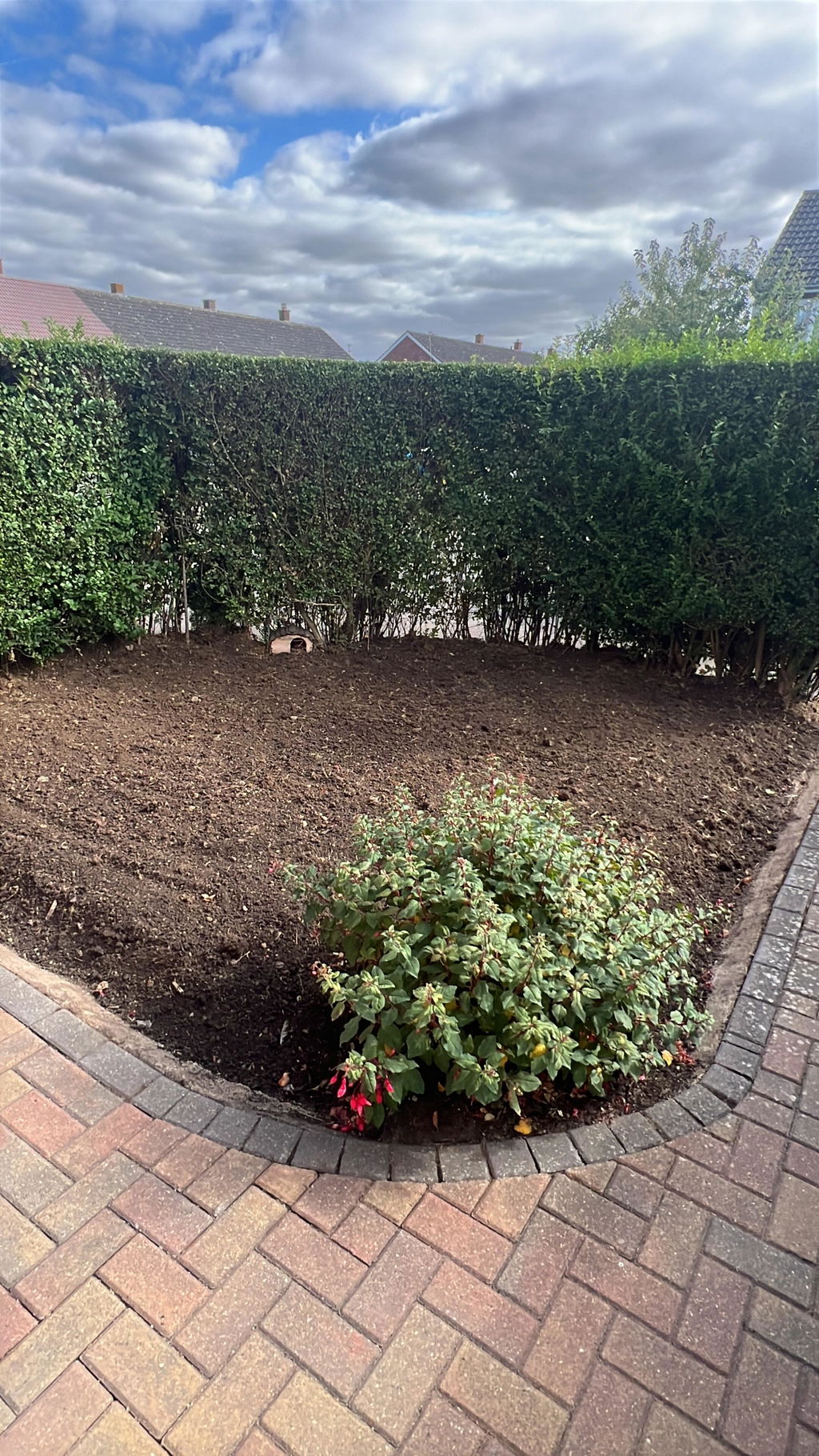
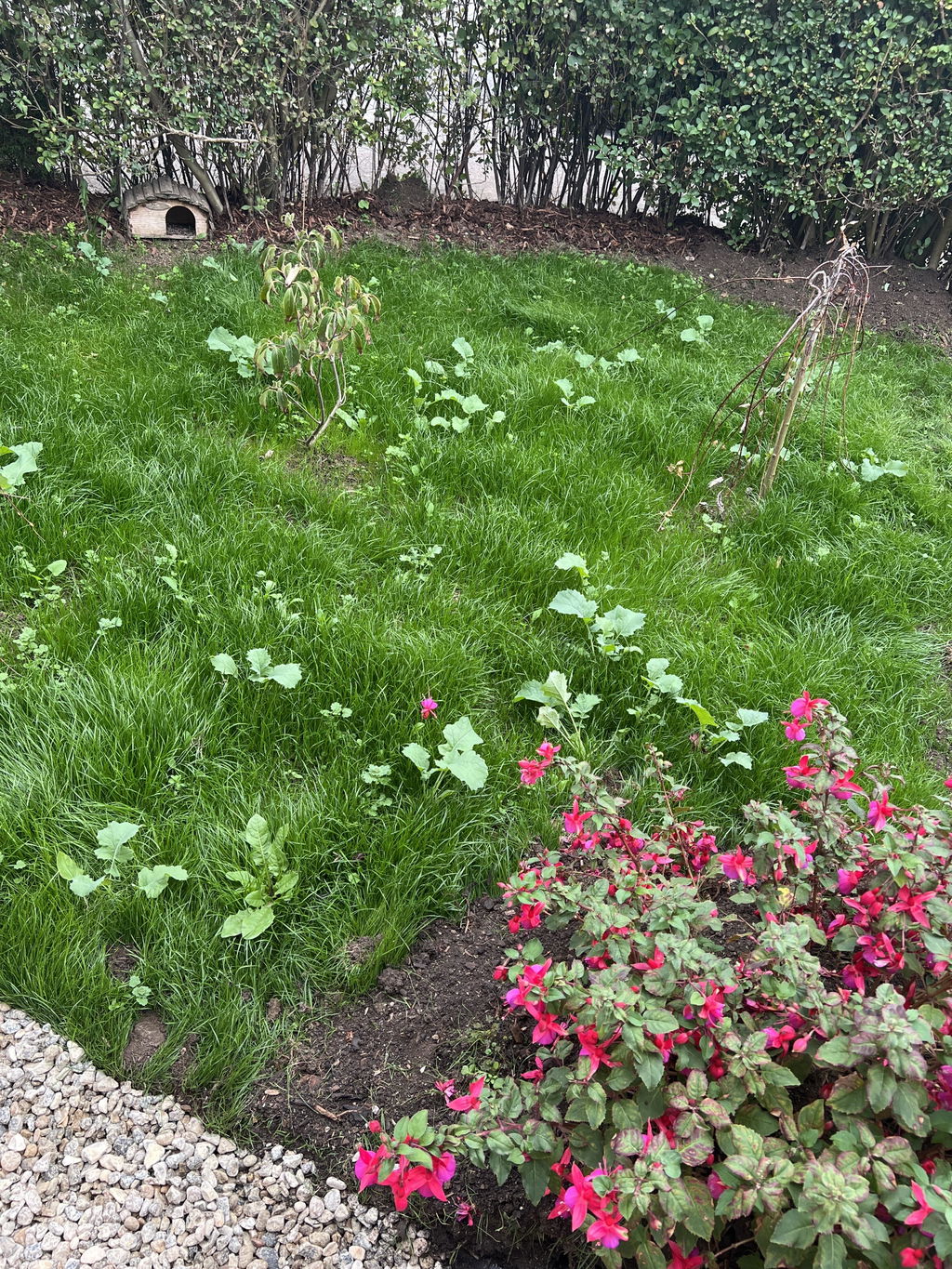
D
We have been reseeding our back garden. This seed germinates quickly. It's a nice texture and colour. We like the benefits of micro clover so we have been sprinkling in some of that with the grass seed. Very happy so far.
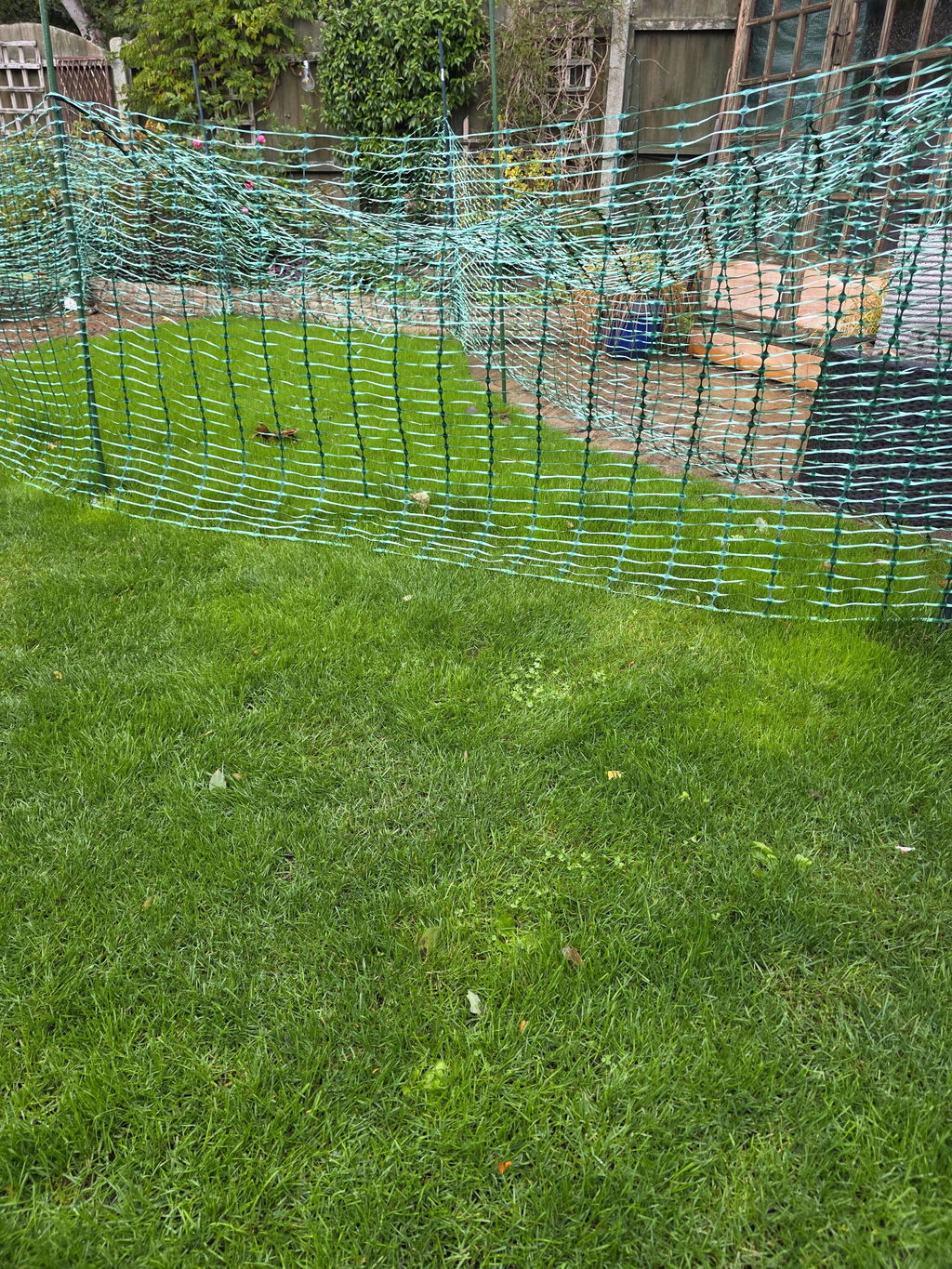
Thank you for taking the time to leave a review for our Hard Wearing Grass Seed. We're glad to hear that you're having success with your reseeding project and that the seed is germinating quickly. We're also happy to hear that you're enjoying the texture and colour of the grass. Adding in some micro clover is a great idea for added benefits. Keep up the good work and let us know if you have any further questions or feedback. Happy gardening!
L
I started my seeds in June the only week it rained but with it being so hot I wasn't hoping for much. I did cover with a veg fleece cover to help with moisture in the soil and preventing the birds eating it and wow! I was really surprised that I had little green spikes in about 8 days. It needs a reseed but so far it looks great! Time will tell if it is dog pee resistant but I'm hopeful!

Hi there! Thank you for taking the time to leave a review for our Hard Wearing Grass Seed. We're thrilled to hear that you were pleasantly surprised with the results, even in hot weather. It sounds like the veg fleece cover was a great idea to help with moisture and bird protection. We hope that the reseed goes just as well and we're also hopeful that it will hold up against dog pee with a little help! (https://www.grassseedonline.co.uk/preventing-lawn-burn-tips-for-dog-owners/) Thank you for choosing our product and happy gardening!
C
I was initially concerned after quite slow growth but to be fair I’m based in Scotland and the seed was sown in spring. I stick with it and took the advice from the good folks at GS online and before I knew it the lawn was coming in strong. It gets better everyday and so far has stood up to the dog and me walking over it. The grass is strong and lush in colour. I won’t be going elsewhere for my seed from now on. Thanks so much.


Thrilled to hear that you are happy with the results of our Hard Wearing Grass Seed and that our customer support was helpful for you. We understand your initial concern and are glad that you stuck with it and took our advice. Our team at GSO is always here to help. We are delighted that your lawn is coming in strong and has stood up to you and your dog walking over it. Thank you for choosing our seed and we look forward to being your go-to for all your grass seed needs.
s
Disappointed that it’s over 30 day since sowing the seeds but most of it hasn’t germinated…, very disappointed

Thank you for sharing your feedback on our Hard Wearing Grass Seed. We're sorry to hear that you're not seeing the results you were hoping for just yet.
Germination can sometimes be delayed by recent weather patterns — especially the combination of dry days and chilly nights we’ve had. We’d recommend continuing to water regularly and giving the seed a little more time to take hold. As a reminder, Rye grass typically germinates within 7–14 days, while Fescue can take up to 21 days.
If you still have concerns or would like further guidance, feel free to get in touch — we’re always happy to help. Thanks again for choosing us!
S
Sorry to say that the seed has not taken at all after 7 days? Despite being sowed on premium soil and watered both early morning and evening. What to do? 😔

Hi Simon, thank you for leaving a review for our Hard Wearing Grass Seed. We're sorry to hear that the seed has not taken after 7 days. We understand your frustration and would like to offer some insight into why this may have happened. It's possible that the recent weather conditions of warm, dry days and cold nights may have affected the germination process. We recommend continuing to water the area and giving the seed some more time to establish. Please note Rye grass take can take anywhere between 7 - 14 days and Fescue can take take upto 21 days.
R
Could you tell me if I need to feed my lawn or what has caused it to start going yellow? I think the dark green areas are where the dog has peed! Should I just leave it until the Spring or feed it now and if now, what does it need?


Hello Rosemary, the reason it has gone yellow is simply because is needs some fertiliser. The patches from the dog are rich in nitrogen which is the main element needed for plant growth. If you improve the nutrients available over the whole lawn, it will improve. If you intend to fertilise it now, please use an appropriate 'autumn and winter' fertiliser.
Best regards,
Grass Seed Online.
A
Excellent all round service, the delivery spot on, and a few weeks on now and the lawn is totally transformed, excellent germination rate
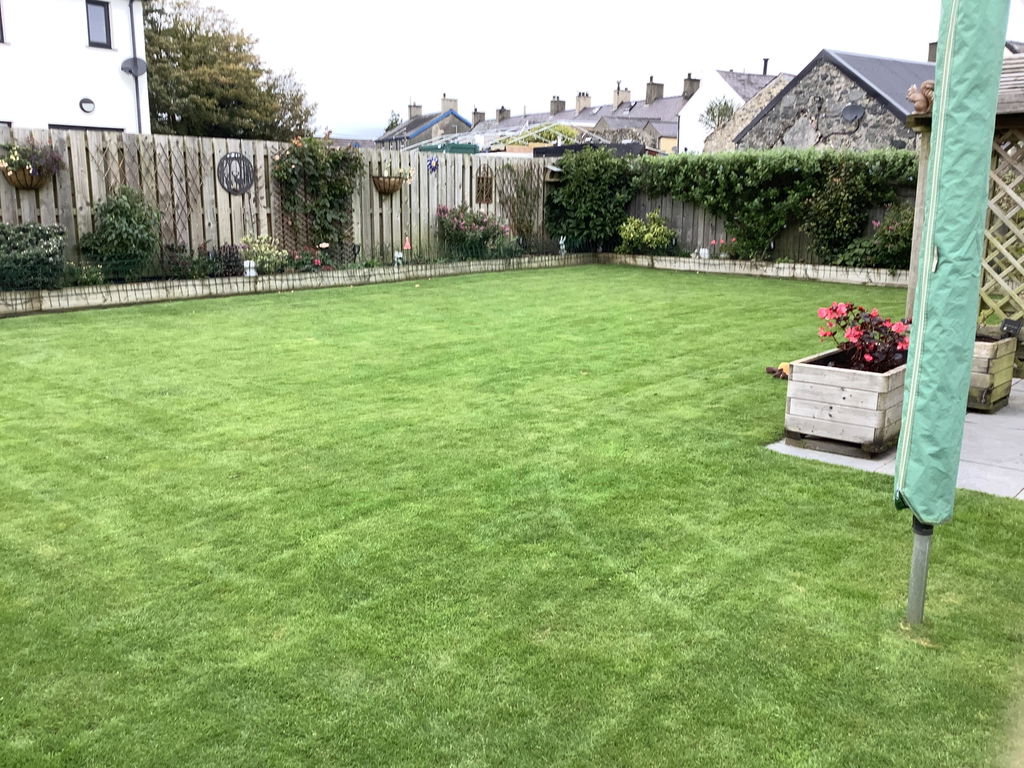
Wow Alwyn. your lawn looks great! Good grass seed helps, but you clearly know how to look after a lawn!
Best regards,
Grass Seed Online
R
I now have a reasonable lawn. It’s a bit patchy but that is due to my sowing technique and I have now seeded the bare patches, so in a few weeks it should look really good. The grass seed germinated quickly and the grass plants look strong and healthy.

Hello there,
Thank you for your review of our Hard Wearing Grass Seed. We're glad to hear that your lawn is starting to look good and that the grass seed germinated quickly. We understand that sowing can be tricky and often patchy areas will fill in if given the time. We hope that in a few weeks, your lawn will be even more impressive. Thank you for choosing our product and happy gardening!
Best regards,
Grass Seed Online.
K
Great product, the seed was starting to grow within a week. Looks really good and strong.
M
Our lawn is looking lovely now, fresh and bright green. Had a job on first cut as it was a little long, but now 3 cuts in and it’s great. Definitely buy again in the future if I needed too. It took a few weeks to grow, but that was due to weather being too hot and not the seed.
A
It has hardly grew
T
Delivered on time in line with expectations. Product is as expected. Would order again.
Thank you for your positive review! We're glad you're satisfied with the product and delivery.
D
Great, started growing in 4 says! Watered in the morning and at night
Thank you for your wonderful review! We're so happy to hear your seeds started growing in just 4 days. 🌱 Consistent watering really makes a difference. We appreciate you sharing your experience and wish you continued success as your plants grow!
D
Tvis is the best grass seed we have ever bought snd a grsat conpany who respond wuickly to any concerns
R
Good value and I had high hopes for an improved lawn but sadly our local pigeons approved even more and ate a lot of it!
Thank you for leaving a review for our Hard Wearing Grass Seed. We apologise that your local pigeons have been enjoying it a bit too much. We understand how frustrating that can be and we appreciate your feedback. Please feel free to reach out to us if you have any further concerns.
A
Not very succesful
Thanks for your feedback — sorry to hear you haven’t had the results you were hoping for. Germination can be affected by things like temperature, moisture and soil conditions, so we’re always happy to help look into what might have happened. If you’d like to get in touch, we can go through it with you and help get things growing as they should.
N
Excellent
M
Delivered quickly put grass seed down then it rained for days but these seeds have started to grow
Thank you for taking the time to leave a review for our Hard Wearing Grass Seed. We're glad to hear that you received your order quickly and that the seeds have started to grow despite the rainy weather.
Let’s clear this one up
“Isn’t ryegrass just a weed?”
The old advice
“A gardener told me years ago to never use ryegrass. It’s coarse, cheap farm grass.”
That was true… decades ago. The old ryegrass was broad-leaved and rough, the stuff grown for grazing fields. The reputation stuck around long after the grass changed.
What’s true today
Modern ryegrass is fine-leaved, dense and tough. The grass on Premier-League pitches.
Decades of development by specialists like Barenbrug have transformed it: finer leaves, deeper green, far better wear tolerance. It’s now the grass of choice for sports turf precisely because it looks good and takes a beating.
Play football on a fine-fescue lawn and it never really repairs. Ryegrass grows back in a few months.
We blend it with creeping fescue for density. Best of both.
No surprises
What to expect, and who it’s not for
We’d rather you bought the right lawn than the wrong one.
What to expect
- Green shoots in 7–14 days, germinating from soil temps of 5–7°C.
- A thick, hard-wearing lawn that recovers from kids, pets and play.
- Works on most soils, including clay.
Good to know
- It likes a regular cut, about once a week in spring and autumn. Want lower-maintenance? Our Traditional Lawn is slower-growing.
- It’s a hard-wearing family lawn, not an ornamental bowling-green finish.
- A degree of shade and drought tolerance, not a lot. For deep shade, choose Shaded Areas.
Questions, answered
Before you buy
How long does it take to germinate?
Usually 7–14 days. Ryegrass germinates from soil temperatures of around 5–7°C, so it gets going earlier in spring and later in autumn than most seed. Don’t panic if you don’t see anything in the first few days. Keep it watered and it will come.
Will it survive kids and a dog?
Yes. That’s exactly what it’s built for. The ryegrass recovers quickly from wear and the creeping fescue fills in any gaps, so it knits back together after heavy use.
What soil does it need?
It’s happy on most soil types, including clay. For a garden that sits genuinely wet through winter, our Wet Soils & Clay mix is the better match.
How much do I need?
Sow at 25–35 g/m². A 10kg bag covers roughly 285–400 m². Use the calculator below to get an exact figure for your lawn.
When’s the best time to sow?
March to October. Spring and early autumn are ideal. The soil is warming and there’s natural moisture about. It germinates from just 5–7°C, so you can start earlier than you’d think.
Isn’t ryegrass low quality?
Not anymore. Modern ryegrass is fine-leaved, dense and hard-wearing. It’s the same grass used on professional pitches. See “Isn’t ryegrass just a weed?” above.
How much seed do I need?
Pop in your lawn size and we’ll do the maths.
Not sure this is the one?
Answer a few quick questions about your garden and we’ll point you to the perfect mix.
Find your perfect seed