







Built for clay


Wet Soils & Clay Grass Seed
Grass that grows where your lawn floods in winter and the clay bakes hard in summer.
£77.00
Tax included. Delivery options shown at checkout.
Green in 14–28 daysSlower on clay, but built to establish properly.
For heavy clayHandles wet winters and dry summer spells.
Tall fescue blendDeep roots, ryegrass recovery and creeping fescue density.
Need the exact amount?Use the calculator before you buy.
Germination tested seed. Follow the sowing guide for best results.
Next working day where availableOrder by noon, Mon–Fri; check checkout
Returns within 14 daysUnopened seed; see delivery & returns
Seed adviceSee the sowing guide below
Deep-rooting tall fescue, ryegrass & creeping red fescue · Backed by Barenbrug
What makes this different
The grass that handles what others can’t
Most lawn seed sulks on heavy clay and drowns in a wet winter. This is a deep-rooting mix of tall fescue, ryegrass and creeping fescue, the species Barenbrug develops to cope with both.
Backed by Barenbrug
One of the world’s biggest grass-seed companies, developing lawn and sport varieties since 1904. The varieties in this bag are selected for the use described on this page.
Amenity grass, not field seed
Lawn-and-sport varieties selected for appearance and wear tolerance.
Roots that reach deep
Tall fescue drives roots far down, to find water when the clay bakes hard and hold firm when winter turns it to a bog.
The detail
Specifications & characteristics
Specifications
Sowing rate30–40 g/m²
Germination14–28 days (soil ≥ 15°C)
Mowing heightDown to 15 mm
Mixture40% tall fescue · 40% perennial ryegrass · 20% strong creeping red fescue
Bag sizes5 / 10 / 20 kg
Best sownLate spring–autumn
Characteristics
Waterlogging tolerance★★★★★
Drought tolerance★★★★★
Wear tolerance★★★★★
Density★★★★★
Speed of establishment★★★★★
Fineness of leaf★★★★★
Will it work in my garden?
Made for the gardens nothing else likes
Most of the questions we get start with “my soil sits wet…”. Here’s the honest answer at a glance.
Heavy clay
Built for it
Winter wet
Short spells
Summer drought
Deep roots
Foot traffic
Good wear
Permanent flood
No grass can
Plan the lawn
Get the right amount before you sow
Enter your lawn size or check this is the right mix before you sow.
Product details
How it grows, what it suits and what to expect
The practical detail behind the mix, from germination timing to reviews and specifications.
What’s really in the bag
Three grasses for tough ground
Three grasses, chosen to survive the two things clay throws at a lawn: water, then drought.

The scienceDeep-rooting tall fescue
Roots that dive deep, for water in a drought and grip in the wet
Tall fescue roots reach much further down than ordinary lawn grass. When clay bakes hard and dry in summer, they pull moisture from deep in the soil. When winter turns it wet, those same roots hold firm. It’s the one grass genuinely built for this.
The sciencePerennial ryegrass · recovery from wear
Establishes fast and bounces back, even on heavy clay
Clay is hard to get going on. Ryegrass is one of the few grasses that germinates well on it, and it recovers quickly from wear, so the lawn fills in fast and keeps coming back through the seasons.
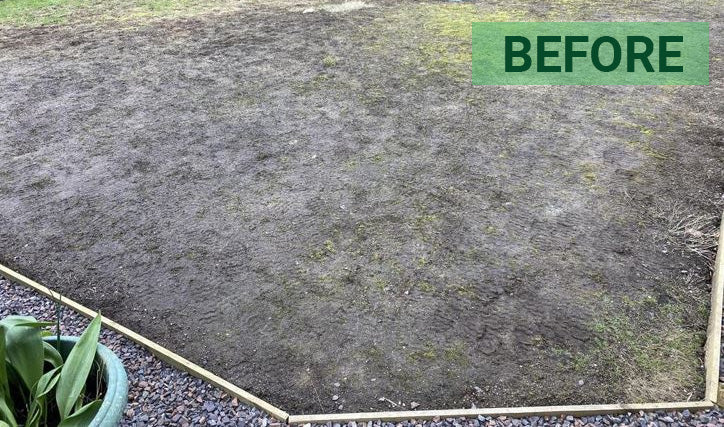
The scienceTolerates periods of waterlogging
Shrugs off short spells of standing water
A heavy downpour that leaves the lawn under water for a day or two? No problem. We say “periods of waterlogging” on purpose, because no grass on earth survives weeks underwater. Aerate the clay a few times a year and this mix will keep coming back.
When you’ll see green
A little patience on clay pays off
The ryegrass shows first; the deep-rooting tall fescue takes longer but it’s worth the wait.
Day 0
Sow into warm soil (≥15°C)
Days 7–10
Ryegrass shoots first
2–3 weeks
Green coverage
Up to 4 weeks
Tall fescue fills in & roots deep
Customer reviews
What real gardeners say
P
Very happy with the growth after just 10 days in a large area.
Thank you for sharing your positive experience. We're delighted to hear about the rapid growth and success of your lawn. If you need any further assistance or advice, feel free to reach out.
C
Its grass seed, i sowed it and it grew.
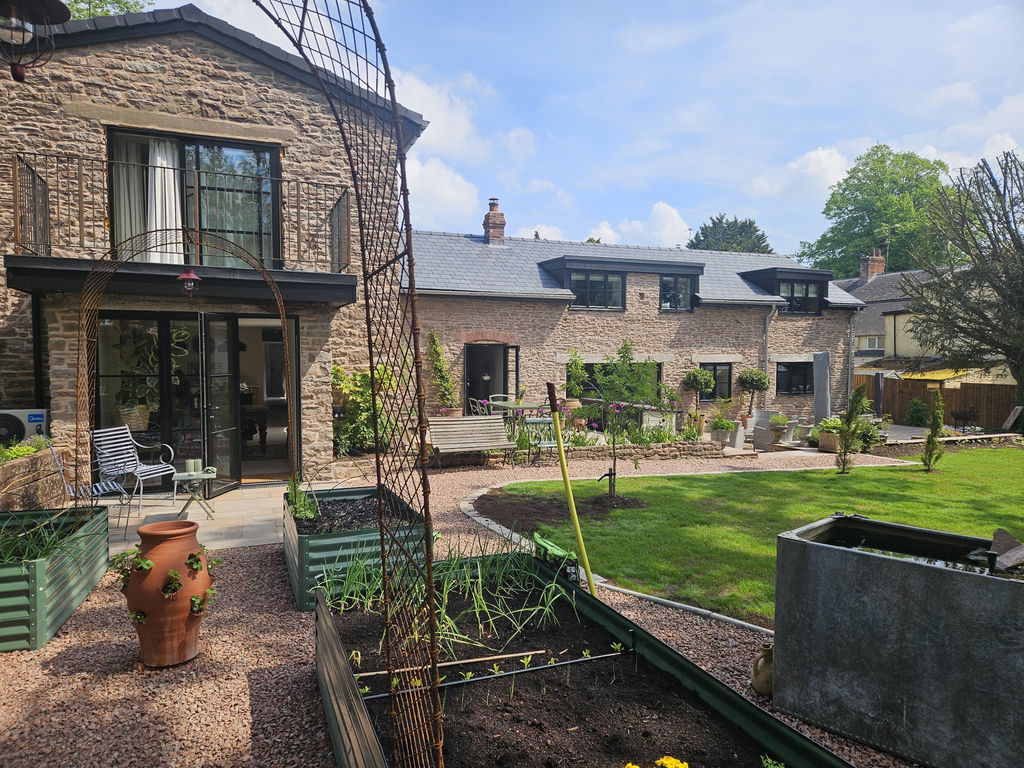
Thanks so much for the great feedback — we’re really pleased to hear the Wet Soils & Clay Grass Seed worked so well for you and that you’ve already seen strong growth. That’s exactly what we aim for. Thanks again for choosing Grass Seed Online, and we hope your lawn continues to go from strength to strength.
A
This seed is terrible, it has not germinated in over half the lawn area and where it has it is very patchy. Very disappointing
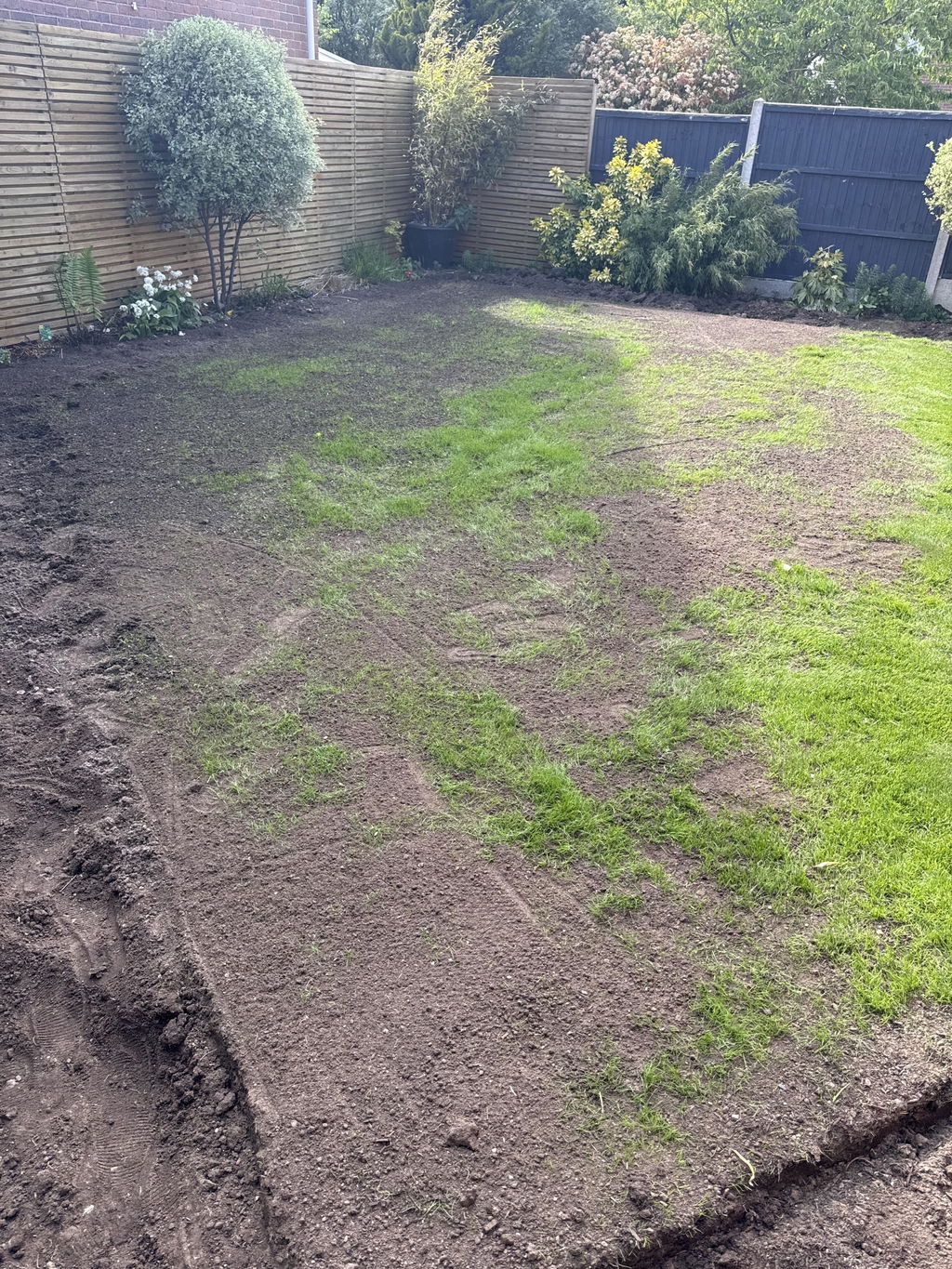
Thank you for your feedback. We're sorry to hear that you're disappointed with your seed. We understand your frustration and want to assure you that we take all reviews seriously, whether good or bad.
The seed may have struggled to germinate because the conditions this spring have not been optimal. Variables such as temperature, moisture, soil conditions etc. can all affect the germination process. However, we do apologize for the inconvenience this may have caused. Please don't hesitate to get in touch, we would be happy to discuss such variables, along with ground prep and maintenance and this may allow us to assist you further.
G
No growth yet after 14 days fleeced
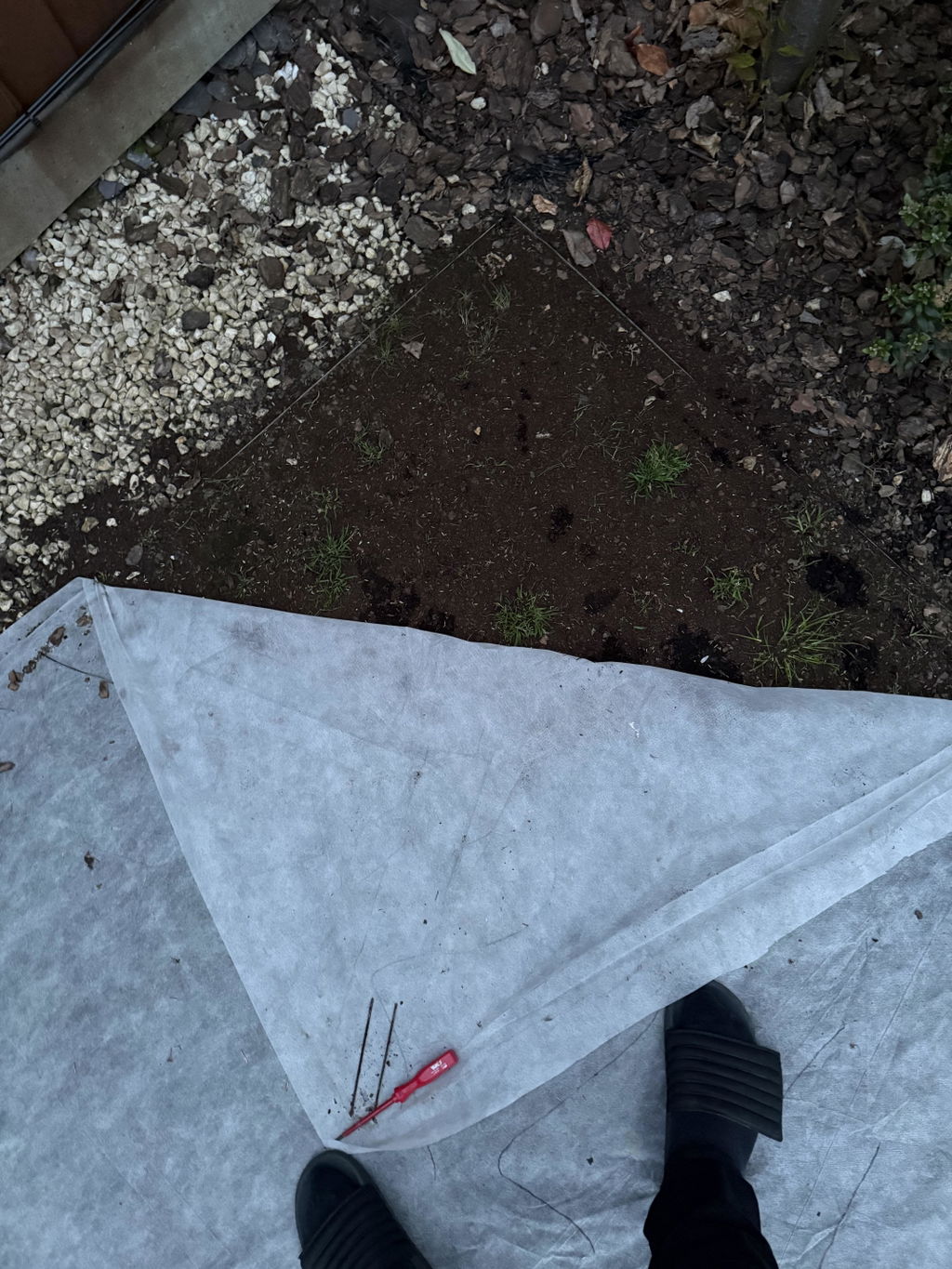
Thank you for taking the time to leave a review for our Wet Soils & Clay Grass Seed. We're sorry to hear that you haven't seen any growth after 14 days. We understand your frustration, and we want to assure you that the mixture can take up to 28 days to germinate due to the tall fescue. We recommend giving it a bit more time to see results. However, a member of our Customer Service team will be in touch with you.
K
As an absolute novice that just had a go at growing a new lawn by watching youtube videos, I wasn't sure what to expect. It took a little while to start growing, but once it started it grew quickly.


We are so happy to hear that our Wet Soils & Clay Grass Seed worked well for you! It's always a pleasure to hear from satisfied customers, especially when they are new to lawn care. We appreciate your effort and determination in successfully growing a new lawn with the help of YouTube videos. Keep up the great work and enjoy your beautiful lawn!
M
I did everything explained in preparing for my seed and it still has not taken 3 week later. Just a couple of sprouts here and there.
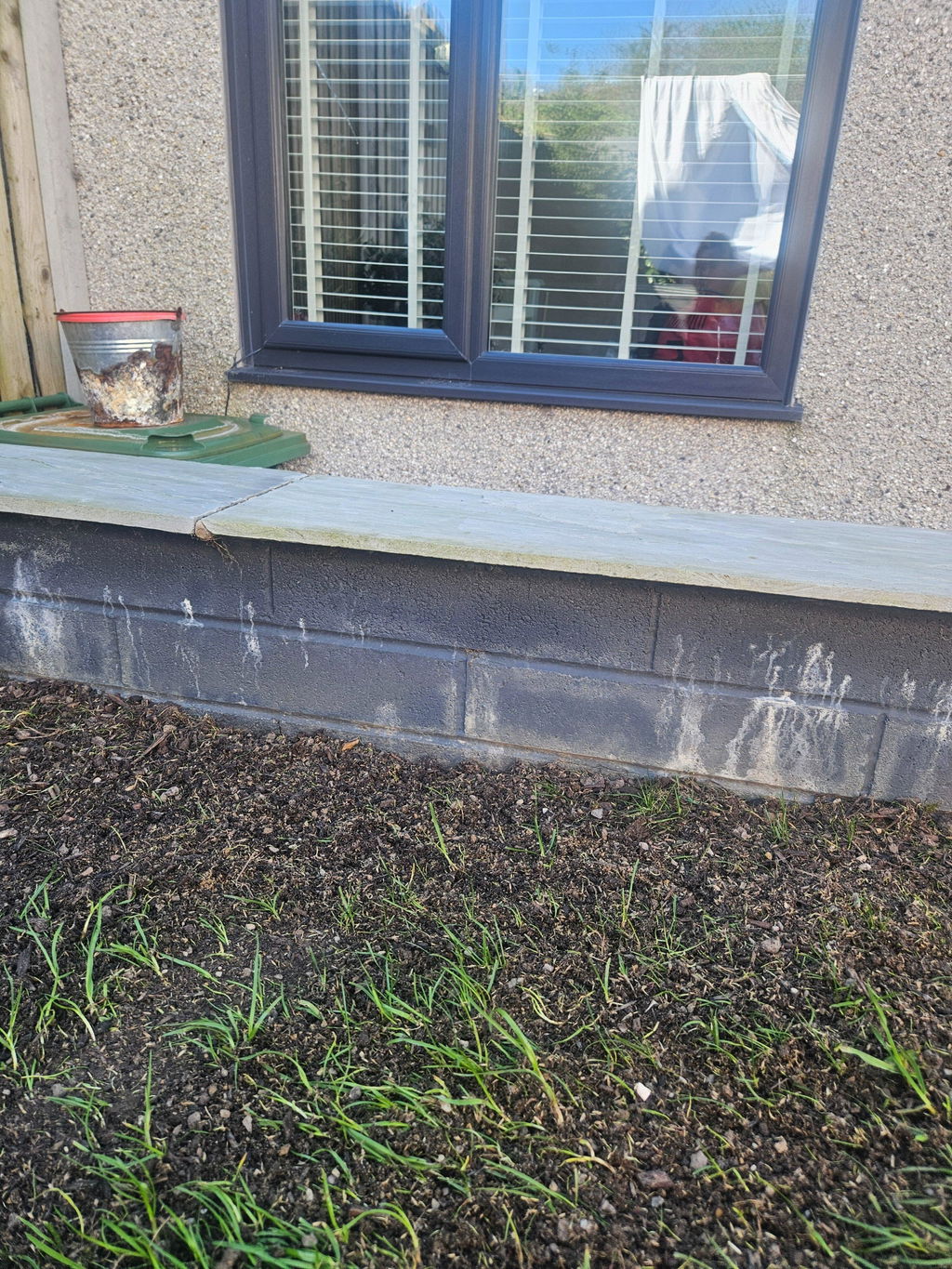
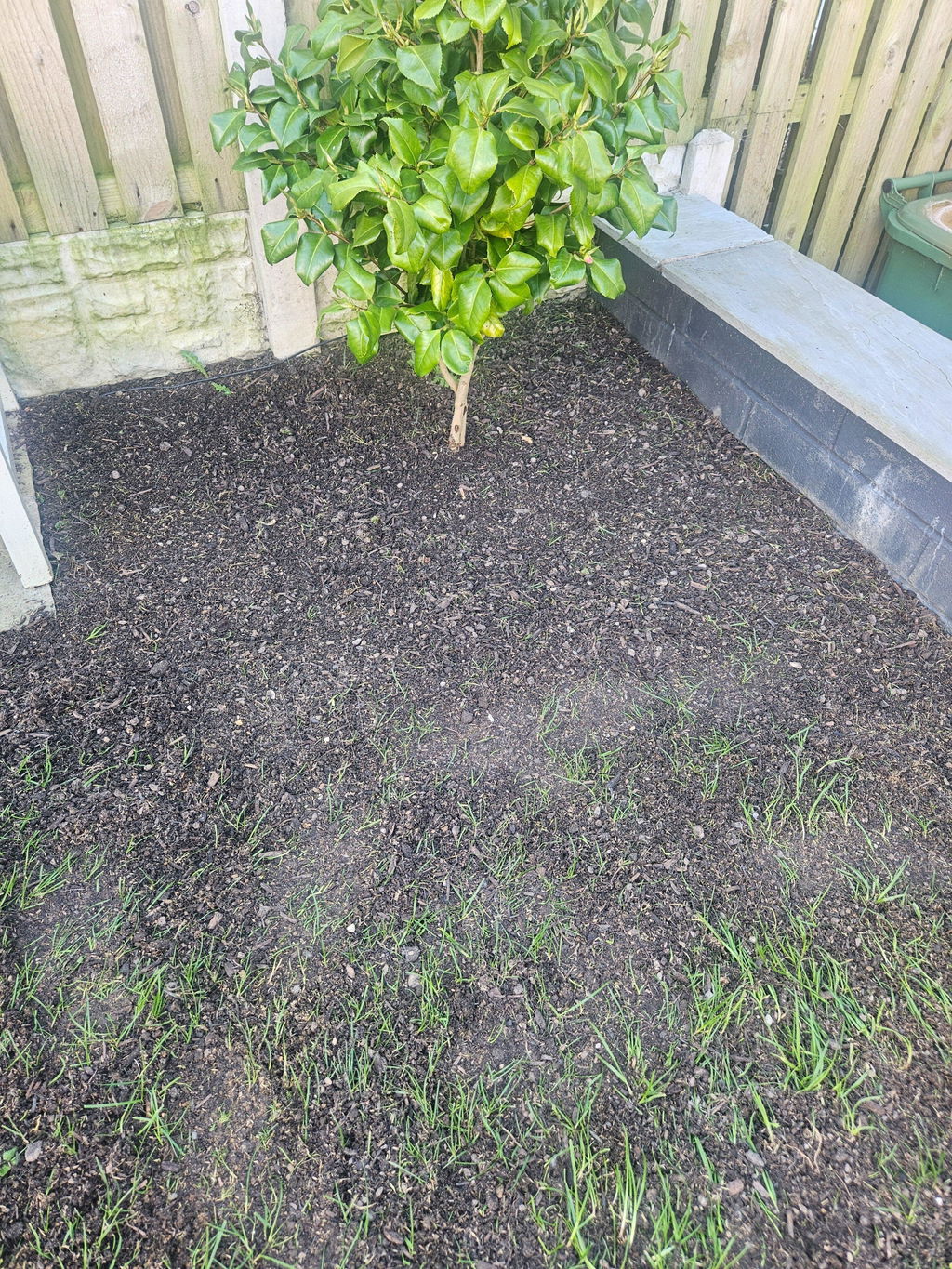
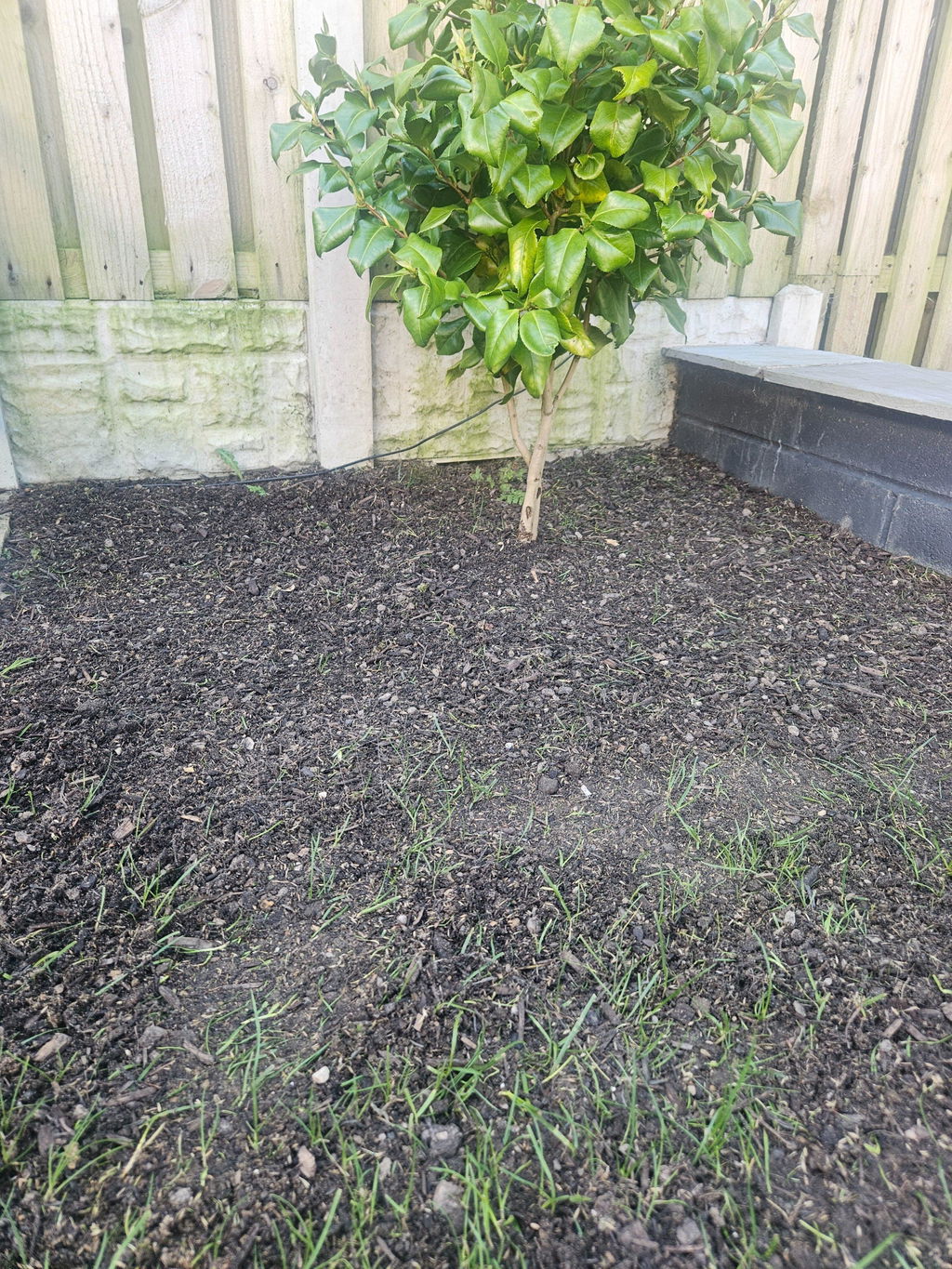
Hi There! Thank you for leaving us a review. Germination is taking a little longer than usual at this time of the year due to the cooler night temperatures and dry conditions we are currently expereincing, but the fact you are seeing some sprouts starting to come through is a good sign. We will reach out to you to give some more advice.
S
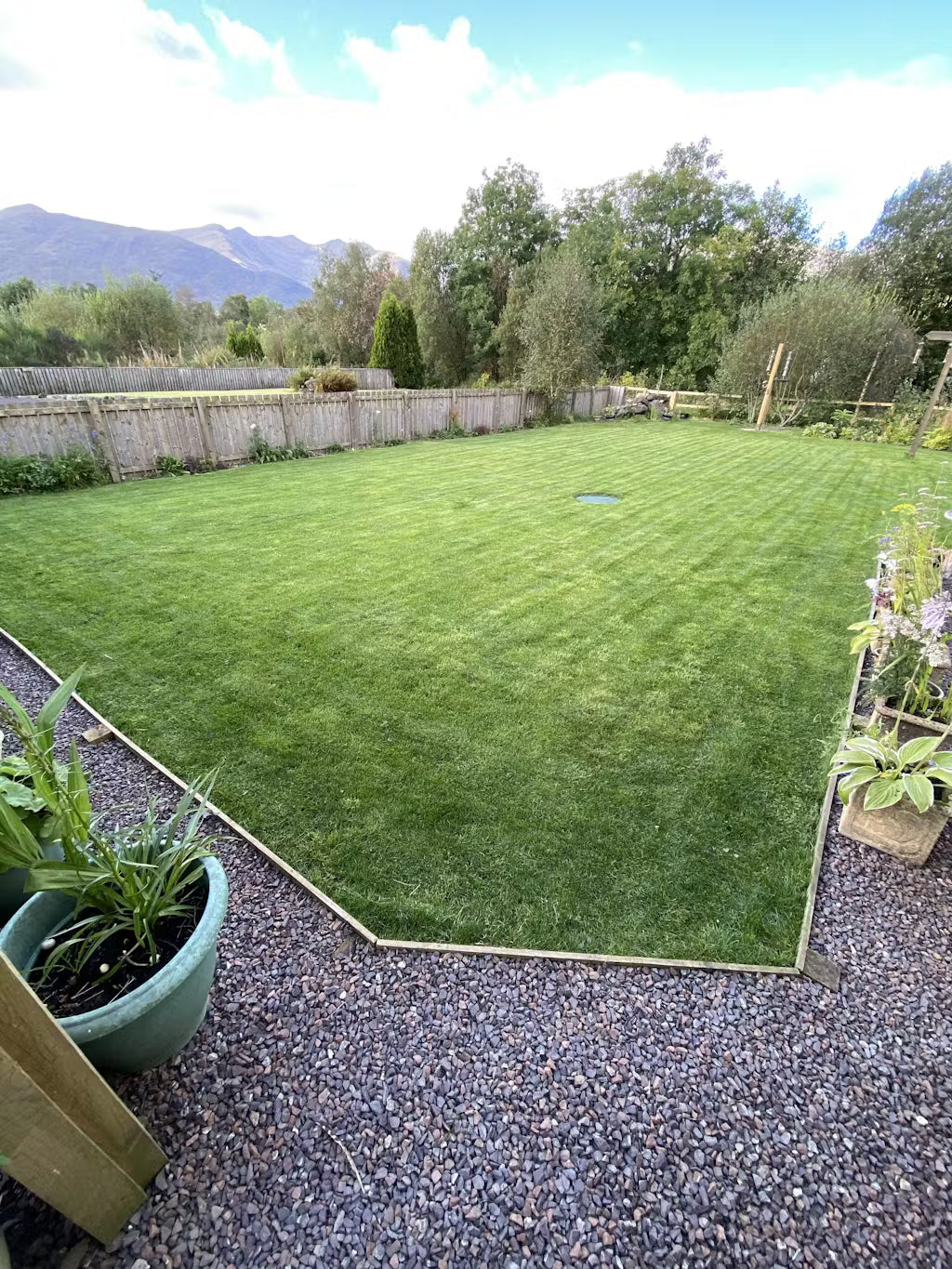
Live in Scotland and our lawn was absolutely decimated by winter rain, virtually completed destroyed, thought of relaying completely with new turf, but decided to give the Wet Soils & Clay Grass Seed a try, initially put down some additional top soil and some lawn fertiliser and then reseeded early June, just couldn’t believe the transformation, ok I’ve also used fertiliser end of July, but I’ve now got a nice lush lawn again after just 3 months.


Wow! What a result! Really glad you are happy with the outcome. Looks like a stunning view you have from your garden!
Best regards,
GrassSeedOnline
D
My rabbits had destroyed my grass over winter and after scarifying there was barely anything left. One month later it's lovely and green. We didn't rake or cover the seeds over with soil, we accidentally put it down right before a thunderstorm which washed it around, and then there was a heatwave so it's a miracle it worked so well. We used 2.5kg of seed plus some fertiliser first, then a few weeks later used another 2.5kg to go over the patchy areas. We watered it twice a day whilst the weather was dry but I bet if we did this more often or put the seed down at a better time it would be even more lush. The mixture means some of the grass grows tall quickly and the rest is slower but spreads out to fill sparse patches


Looks fantastic! Thanks for sharing the photos!
a
Grass growing back nicely . Will be interesting to see how it holds up when we have very wet weather again . Hopefully it will withstand it .
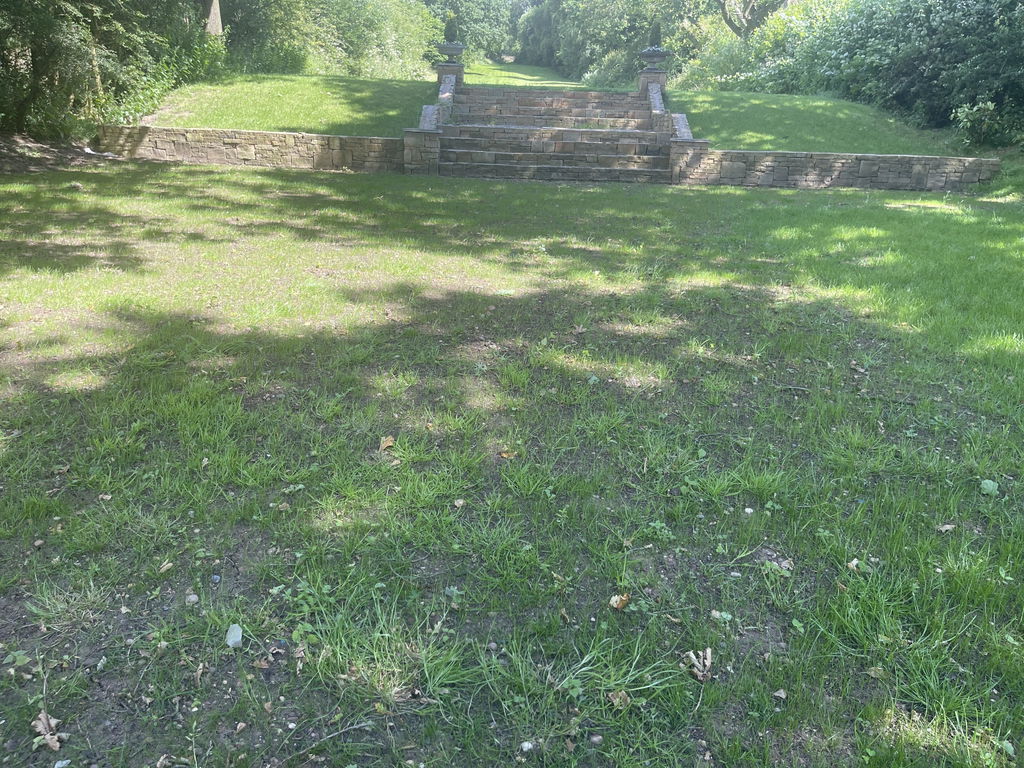
Thats starting to come through nicely. Surely we cannot have any more wet weather!!!!
R
Very pleased with the service from Grass Seed Online and hopefully with the product. This seed takes a bit longer to germinate than the garden centre offerings and looks very thin to begin with. However, puts on weight and grows strongly. The real test will come over Winter where the more usual commercial boxed lawn seed has drowned each past year. Ask me next spring!
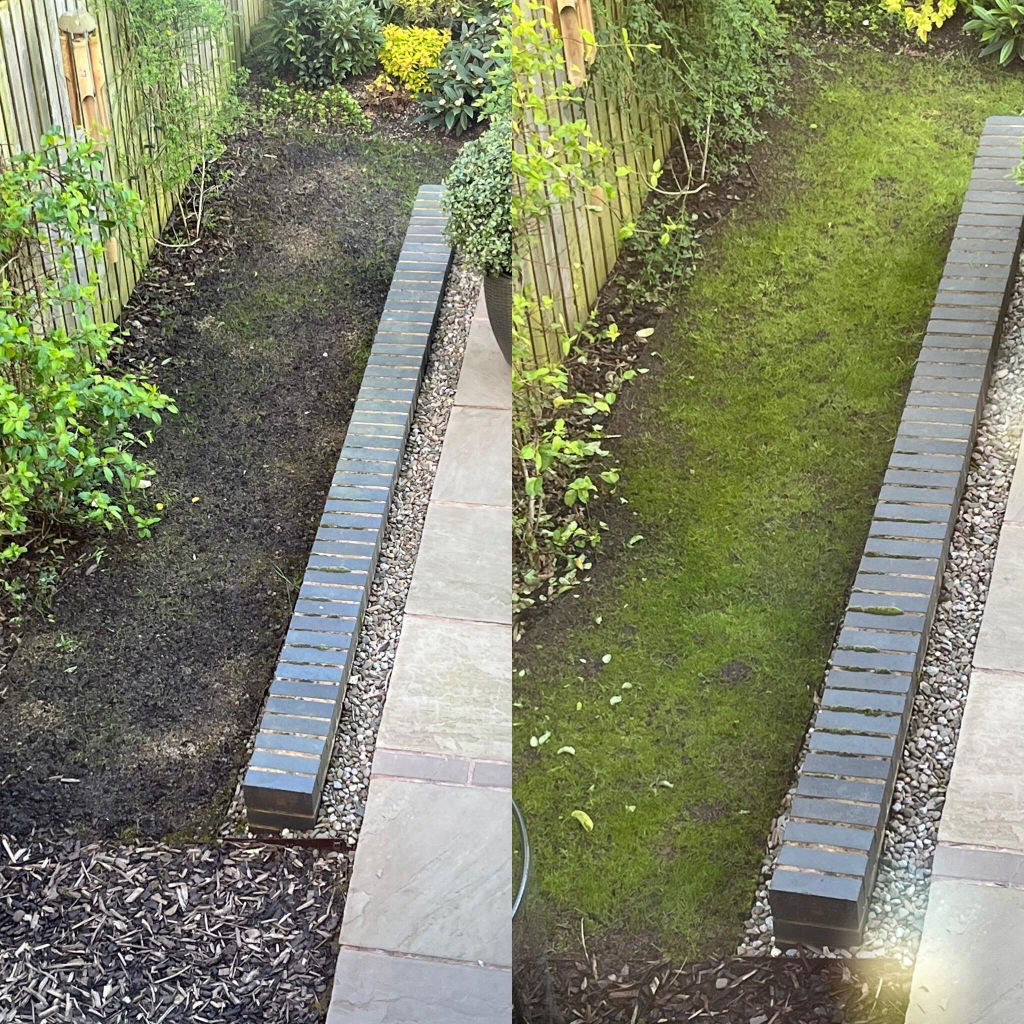
S
I loved the advice on the website and the step by step approach to addressing my clay patchy lawn - tried every step and starting to see some growth but taking a long time

S
Early stages yet , growing well , test will be when dogs run on it.
Glad to hear your grass is growing well! Hope it stands up to your dogs' adventures. Thanks for sharing your update!
S
The weather has not been the best since putting down the seed following scarrification.
It was a very windy day, making the application of the seed a bit of a nightmare. The following 2 weeks, there was no rain, so it was a schedule of daily watering. However things are starting to move, thank goodness and my garden is now looking better than I've seen it for a long time. The proof of whether it will cope when a wet winter sets in remains to be seen. But it does seem to be a robust seed even through it had a bad start. Fingers crossed it will prove its worth.
Thank you for leaving a review for our Wet Soils & Clay Grass Seed. We're glad to hear that despite some challenges with weather and application, you're starting to see some progress in your garden. We understand that a wet winter may be a concern, but we believe our seed is robust and will withstand any conditions. Thank you for choosing our product and we hope it continues to bring you a beautiful and healthy garden.
A
The grass seed is growing well given we are already in a very dry clay scenario. Hopefully it will cope with the winter wet at the end of the year too.
Thank you for your review! We're glad to hear that our Wet Soils & Clay Grass Seed is working well for you, even in a dry clay scenario. We've designed it to thrive in tough conditions, so we're confident it will hold up during the wet winter months as well. Happy gardening!
C
Unfortunately only about 25% of the grass seed grew.
Thank you for your review, and we’re sorry to hear you’ve only seen around 25% germination. Our grass seed is fully homogeneous, so you should normally see even establishment across the area. It’s likely that soil temperatures haven’t yet reached the level needed for the fescue varieties to germinate, especially with the cooler spring we’ve had in the UK. A member of our team will be in touch with more information.
A
they are suppose to germinate quickly. still waiting two weeks and nothing yet. all instructions followed to the letter.
Hi there. Thank you for your feedback. We apologize that you have not seen any germination yet. Our seed can take 3-4 weeks to germinate in wet soils and clay, depending on lots of different variables. If you still do not see any growth after this time, please reach out to us and we will be happy to assist you further. Alternatively, feel free to contact us sooner if you would like to discuss said variables. Thank you for following the instructions closely. We appreciate your business.
A
Not resistant atall
Thank you for your feedback, although we’re sorry to hear you’ve been disappointed.
We’re slightly unclear as to what aspect you expected the product to be “resistant” to, as our Wet Soils & Clay Grass Seed is specifically formulated to establish and perform better in heavy, damp clay soil conditions rather than being marketed as resistant to a particular issue.
We’d genuinely welcome a little more information about the conditions, timing and issues experienced, as we may be able to offer some helpful advice and support.
The Grass Seed Online Team
t
Great product was sown with immediate results
Thank you for your review. We're so glad to hear that our Wet Soils & Clay Grass Seed provided you with immediate results. Happy gardening!
J
This seed has failed to germinate. I have actually had better results with budget grass seed fromHome Bargains.
Thanks for your review — sorry to hear the seed hasn’t come through yet. Germination can vary a lot with things like temperature, moisture and soil conditions. Our grass seed is produced to very high standards and will perform well when conditions are right. Please do not hesitate to contact us and we will be more than happy to help figure out what might have happened and get you back on track.
P
Seed been down 8 days no sign of germination gyet
Thanks for taking the time to leave us a review. I’m sorry to hear you haven’t seen any germination after 8 days – we understand how frustrating that can be.
Our Wet Soils & Clay Grass Seed is made up of varieties that typically require consistent soil temperatures of around 12–15°C and can take up to 28 days to fully germinate, so you are still within the expected timeframe.
If you’re able to share a few photos or would like us to take a closer look, please don’t hesitate to get in touch – we’re always more than happy to help and offer further advice.
A
Good seed let's hope it does the trick
Thank you for your review! We're glad to hear that the Wet Soils & Clay Grass Seed is working well for you. We have high hopes that it will continue to do the trick for your lawn. Happy gardening!
Let’s clear this one up
“My lawn floods. Isn’t it a lost cause?”
The worry
“Water sits on my clay for days and everything I’ve sown has died. There’s no point trying again.”
It’s a fair worry, and you’re half right. Ordinary lawn seed will drown on wet clay. That’s exactly why most seed fails here.
The honest answer
The right grass copes, within the limits we’ll be straight with you about.
Deep-rooting tall fescue is one of the only grasses developed for soil that sits wet then bakes hard. It handles periods of waterlogging and shrugs off summer drought.
Short spells of standing water: fine. Weeks underwater: no grass survives that.
Aerate 3–4 times a year and you’ll keep compaction, the real enemy, at bay.
No surprises
What to expect, and who it’s not for
We’d rather set this straight now than have you disappointed later.
What to expect
- Green coverage in 2–3 weeks; a little longer on heavy clay.
- A lawn that copes with seasonal waterlogging and summer drought.
- Deep roots that hold firm where ordinary seed gives up.
Good to know
- It tolerates periods of waterlogging, not a permanently flooded garden.
- Tall fescue is slower (up to 28 days) and a touch coarser left long.
- Aerate the soil 3–4 times a year. Compaction is what really kills clay lawns.
How to aerate clay (the bit that makes or breaks it)
Once in spring and once in autumn, push a garden fork (or a hollow-tine aerator) 10–15cm into the lawn every 10cm or so, and wiggle. It opens channels so water drains and air reaches the roots. On heavy clay, brush a little sharp sand into the holes. That’s the single biggest thing you can do to keep a clay lawn alive.
Questions, answered
Before you buy
How long does it take to germinate?
14–28 days. The ryegrass shows first (around 7–10 days), but the deep-rooting tall fescue takes longer, up to four weeks, and needs warm soil (around 15°C) to establish. Patience on clay really does pay off.
My lawn floods in winter. Will this survive?
It’s built to handle periods of waterlogging. A day or two of standing water after heavy rain is fine. What no grass survives is weeks submerged. For most British clay gardens that sit wet then dry out, this is the right mix.
Do I need to aerate, and how?
Yes, ideally 3–4 times a year. Push a garden fork or hollow-tine aerator 10–15cm in every 10cm and wiggle, then brush sharp sand into the holes on heavy clay. Compaction (not the wet itself) is what stops water and air reaching the roots, so this is the most important job you’ll do.
When’s the best time to sow?
Late spring to early autumn, once soil temperatures are reliably around 15°C. The tall fescue needs that warmth to germinate well.
How much do I need?
Sow at 30–40 g/m². A 10kg bag covers roughly 250–330 m². Use the calculator below for an exact figure.
Why is there ryegrass in a clay mix?
Because it’s one of the few grasses that establishes well on clay and recovers quickly from wear. It gets the lawn going fast while the tall fescue does the deep-rooting heavy lifting.
How much seed do I need?
Pop in your lawn size and we’ll do the maths.
Not sure this is the one?
Answer a few quick questions about your garden and we’ll point you to the perfect mix.
Find your perfect seed