







Fastest to green


Lawn Repair & Renovation Grass Seed
Bare patches gone fast. The 100% ryegrass they repair football pitches with. Germinates in days, not weeks.
£44.00
Tax included. Free next-day UK delivery.
Green in 7–14 daysGerminates from as little as 3 days in warm soil.
Pitch-grade wear100% ryegrass, takes the footfall that caused the damage.
Repair or overseedPatch the bald spots or thicken a whole tired lawn.
How much do I need?Use the calculator before you buy.
Covered by our Growth Guarantee. It grows, or we replace it.
Free next-day deliveryOrder by noon, Mon–Fri
Hassle-free returns30-day, no quibble
In stockDispatched same day
100% perennial ryegrass · fine-leaved amenity grass · Backed by Barenbrug
What makes this different
The grass the professionals use
Most bagged ‘grass seed’ is surplus field seed. This is amenity grass: the lawn-and-sport varieties Barenbrug develops to be finer, denser and tougher than anything grown for fields.
Backed by Barenbrug
One of the world’s biggest grass-seed companies, developing lawn and sport varieties since 1904. The same grass they supply to golf greens and pitches goes into your bag.
Amenity grass, not field seed
Lawn-and-sport varieties, chosen for a finer blade and a deeper green, and far tougher than the agricultural seed often bagged up cheap for gardens.
The grass that repairs itself
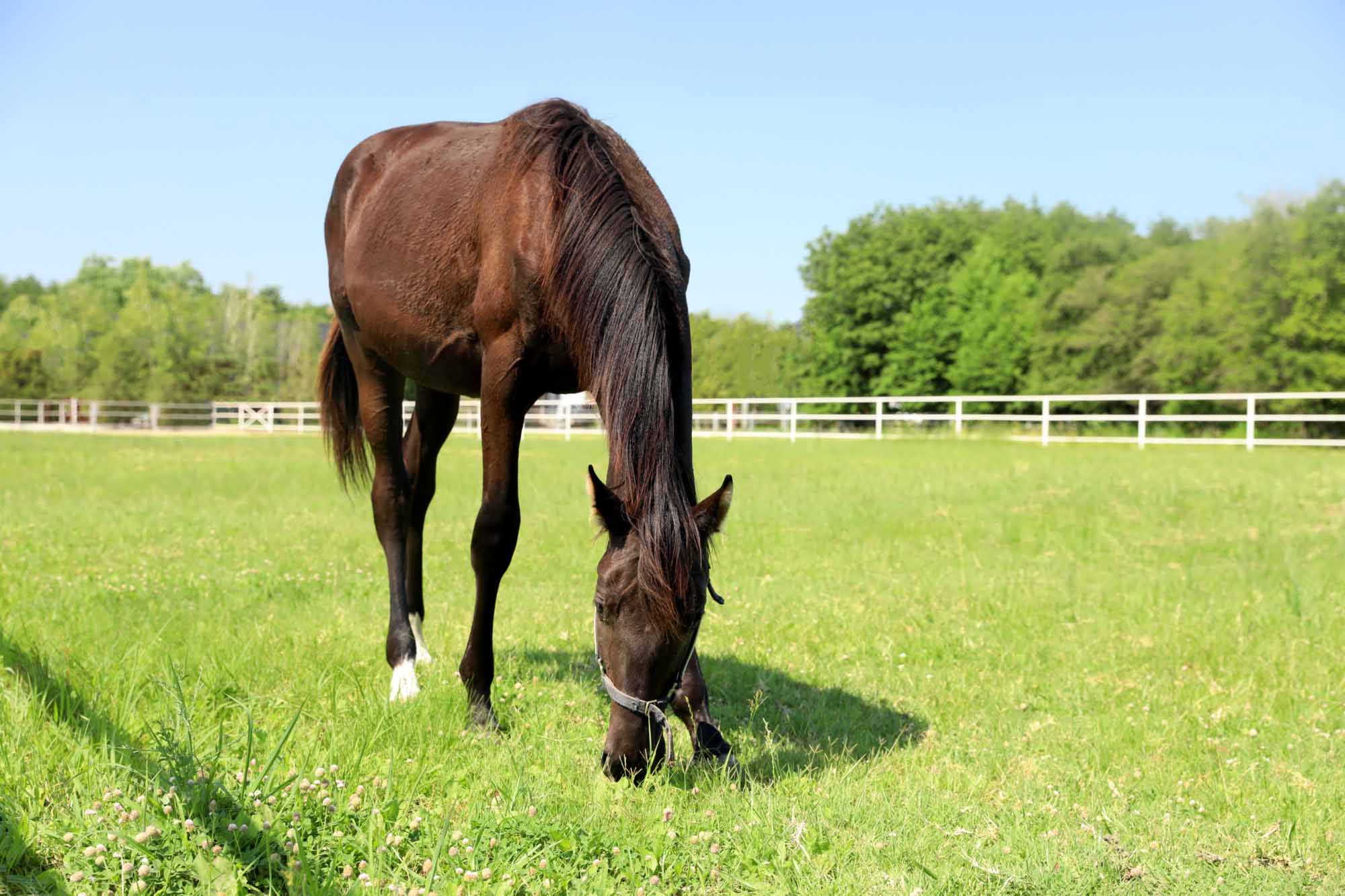
Play football on a fescue lawn and the worn bit never really comes back. Ryegrass does, it’s why pitches recover between matches, and why it’s the right grass for a patch that keeps getting used.
The detail
Specifications & characteristics
Specifications
Sowing rate30–50 g/m² (new) · 15–30 g/m² (overseed)
Germination7–14 days (as little as 3)
Mowing heightDown to 20 mm
Mixture100% perennial ryegrass
Bag sizes5 / 10 / 20 kg
Best sownMarch–October (from 5–7°C)
Characteristics
Speed of germination★★★★★
Wear tolerance★★★★★
Self-repair / recovery★★★★★
Density★★★★★
Fineness of leaf★★★★★
Shade tolerance★★★★★
Will it work in my garden?
Will it suit your garden?
Soil type is the question we’re asked most. Here’s the straight answer.
Bare patches, goalmouths, pet spots
Its main job
Overseeding a thin, tired lawn
Thickens it back up
Play areas & high traffic
Pitch-grade wear tolerance
You want it green fast
Quickest-germinating grass there is
Bare patches in deep shade
Ryegrass needs light; use Shaded Areas there
Plan the repair
Work out how much you need
Enter the area, choose repair or overseed, and we’ll do the maths.
Product details
How fast it grows, and how to get it right
The practical detail, from germination timing to the right way to prep a patch.
What’s really in the bag
One grass, three jobs
Here’s what modern ryegrass does for a repair.
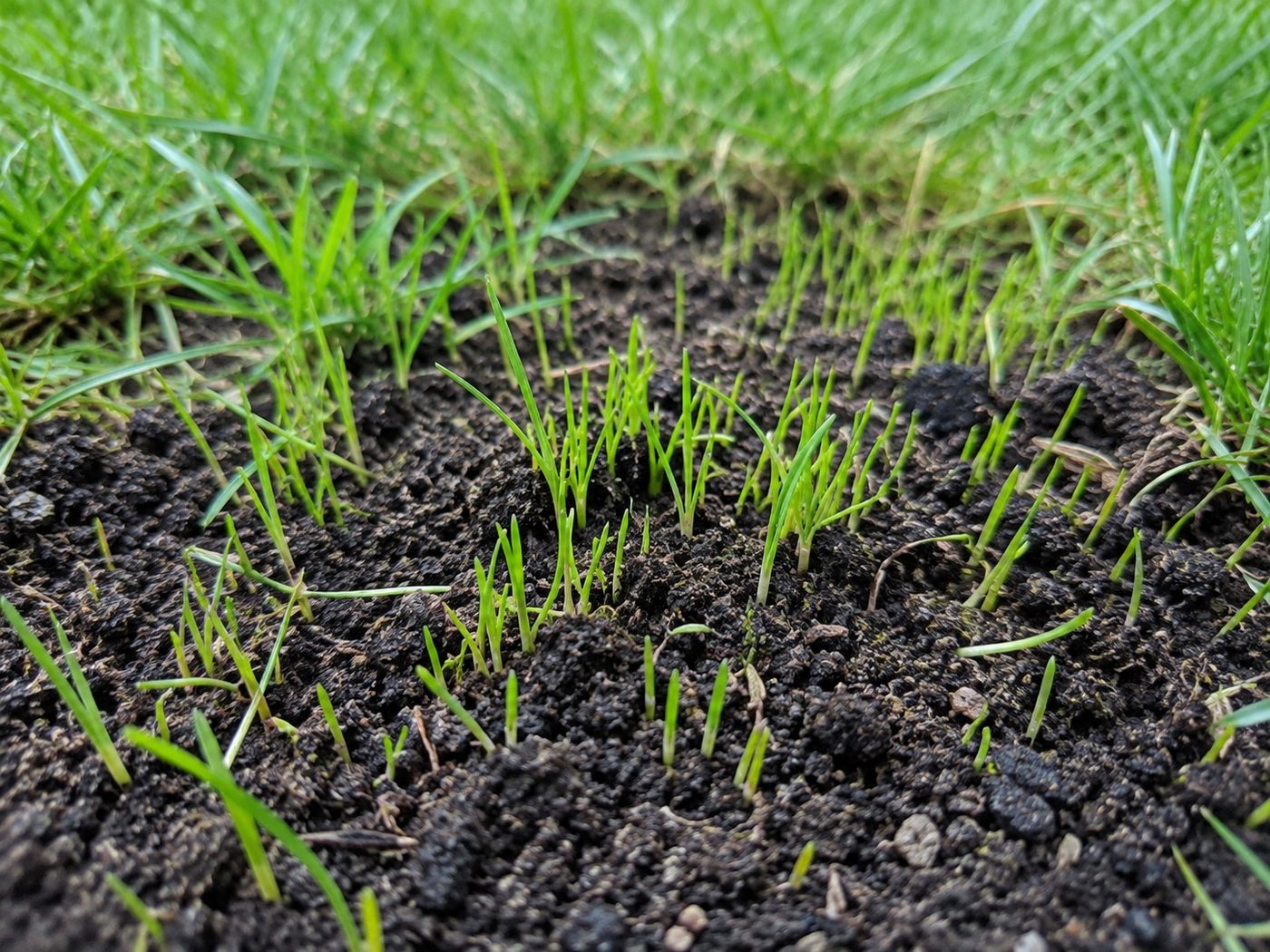
The science100% perennial ryegrass · germinates from 5–7°C
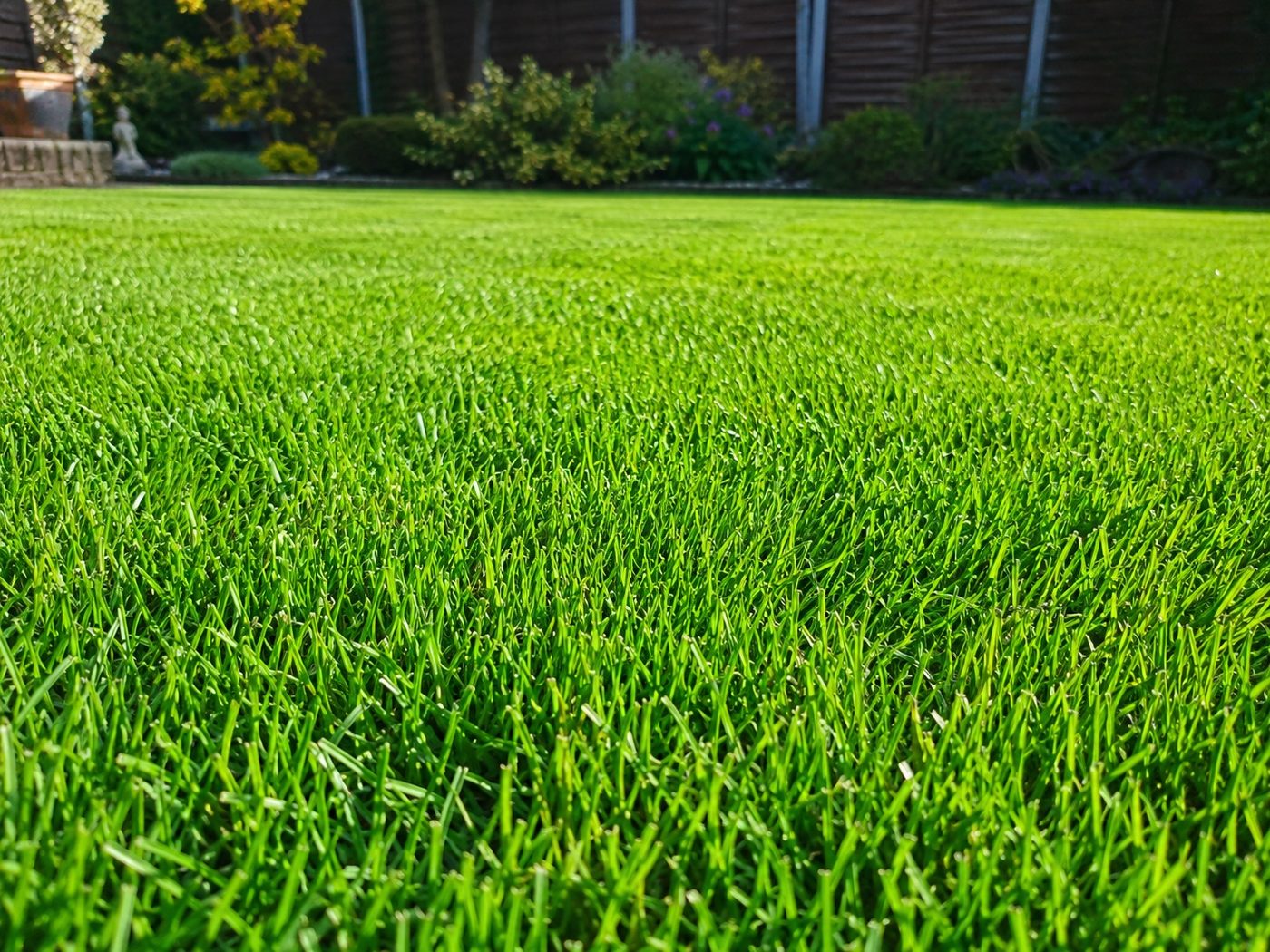
Green over the scar in about a week
Ryegrass is the quickest-germinating grass there is, often 7–14 days, and as little as 3 in warm soil, so the bare patch stops being an eyesore fast.
The scienceRyegrass recovers from wear
It fixes the patch and keeps taking the wear
The reason pitches bounce back between matches is the same reason your goalmouth will: ryegrass repairs itself instead of thinning away.
The scienceModern fine-leaved amenity varieties
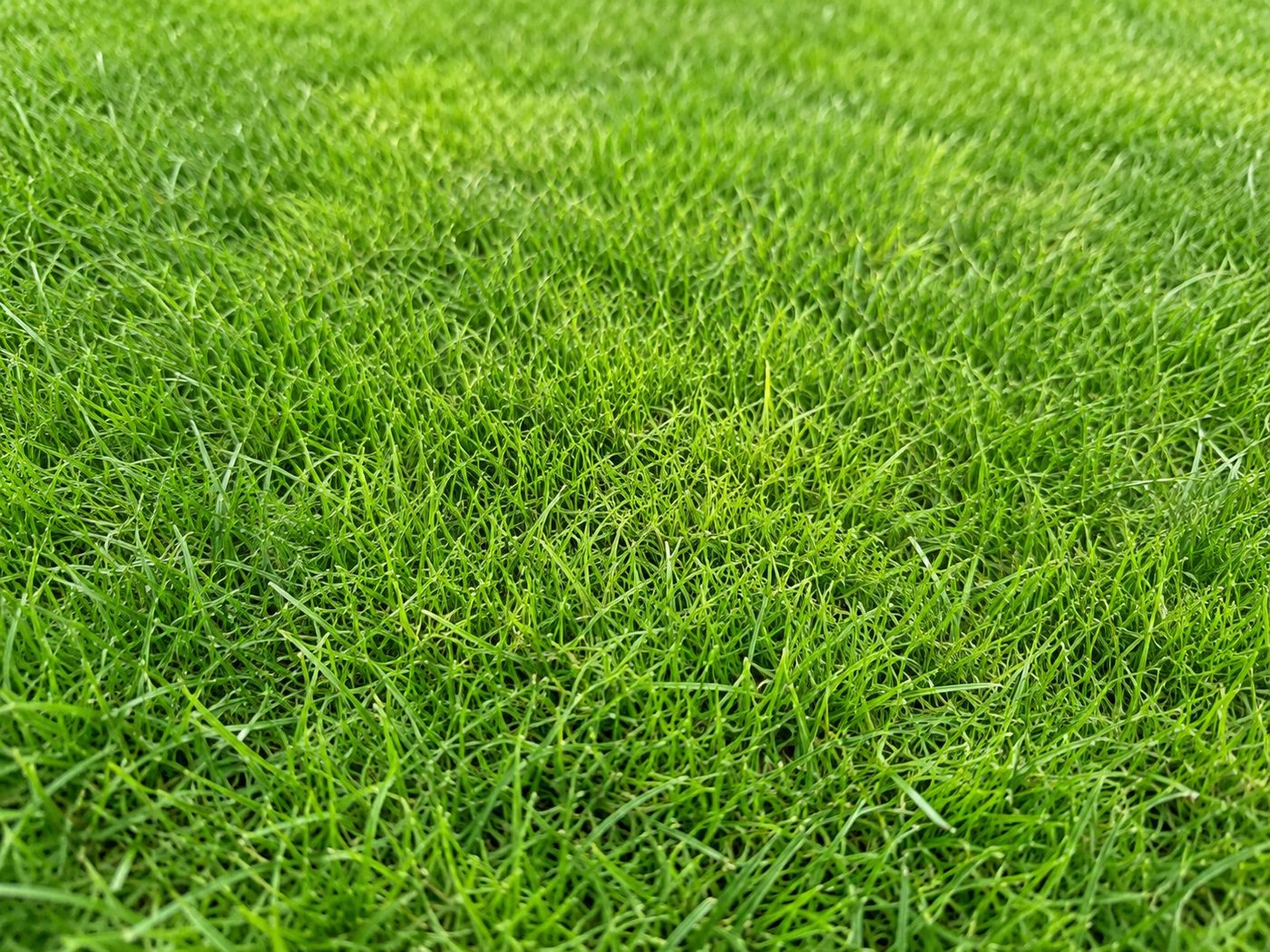
Blends in, it’s not “farm” grass
Today’s lawn ryegrass is fine-leaved and dense, a world away from the coarse agricultural stuff. It knits into your existing lawn rather than standing out.
When you’ll see green
Green over the patch in about a week
Day 0
Rake to bare soil, sow, water in
Days 3–7
First green (as little as 3 in warm soil)
Days 7–14
Full germination across the patch
~3–4 weeks
First light cut
Real results
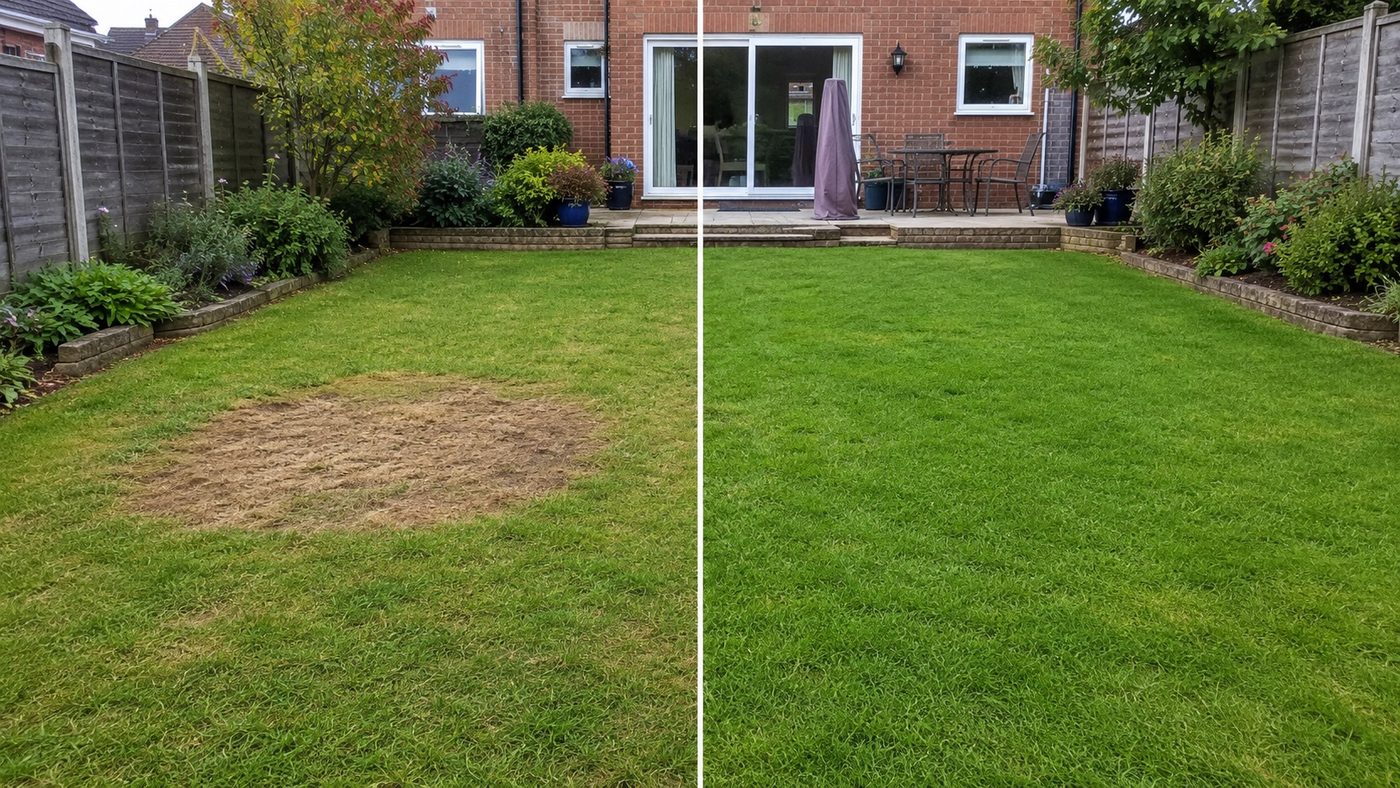
A bald goalmouth, filled back in
The same lawn, a worn bald patch before (left), filled back in after (right).
Customer reviews
What real gardeners say
A
Im not having much luck to be honest. I've tried 4 times to repair my lawn, and the only luck I have is when I grow a tray in my greenhouse. I've got fake hawks flying out and I'm watering regularly? I'm literally thinking about concreting it over!!
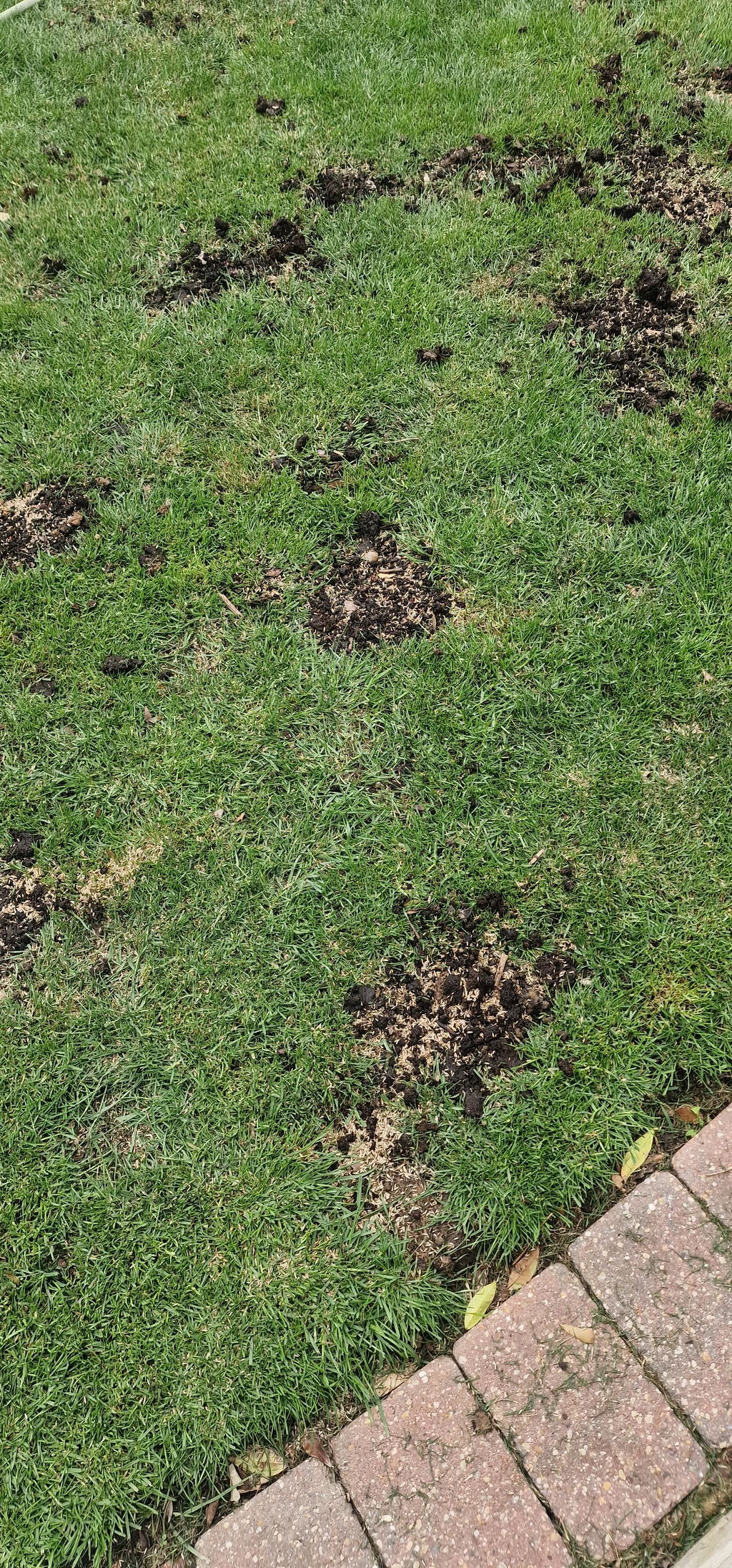
Thank you for taking the time to review our Lawn Repair & Renovation Grass Seed. We're sorry to hear that you haven't had much luck with it. It sounds like your lawn may need some extra care and attention. Our team will be in touch to offer you some advice and support. Thank you again for your feedback.
K
The first delivery did not arrive and I waited a week. I contacted the company and they were extremely helpful and sent more seed out. It was obviously a courier issue
M
This stuff is brilliant have used various seeds over the years, but this one is far superior lovely green lush grass and fast growing in a problem area in the shade
L
Lawn looking healthier since using this lawn repair & renovation seed. Looks like the resident wild rabbits have moved to the neighbouring wood!
Thank you for your lovely feedback. We're delighted to hear your lawn is looking healthier. Enjoy your lush green space!
A
Waiting for it yo germinate ony just put it down
Hi there, thank you for your review. We're glad you've tried our product for lawn repair and renovation. The germination process can take some time, so we recommend being patient and giving it proper care. If you have any further questions, please don't hesitate to reach out.
A
This worked generally really well
Thank you for taking the time to leave a review for our Lawn Repair & Renovation Grass Seed. We're happy to hear that it's working well for you. If there's anything else we can assist you with, please don't hesitate to reach out.
A
Arrived quickly and has germinated well, especially given the challenges of a cold spell and not much rain. Would recommend.
Thank you for taking the time to leave a review! We're glad to hear that our Lawn Repair & Renovation Grass Seed arrived quickly and has germinated well for you. We understand the challenges of a cold spell and lack of rain, and we're happy to know that our product still performed well. Thank you for recommending us. Happy gardening!
I
Very prompt delivery and a good price but I haven't used the seed yet - it's too cold!
Thank you for taking the time to leave us a review. We're so glad to hear that you were happy with the prompt delivery. We appreciate your business and hope you have a great day!
J
Good germination with strong results. Use it on a number of customers lawns when over seeding and top dressing.
Thank you for taking the time to leave a review for our Lawn Repair & Renovation Grass Seed. We are delighted to hear that you have had good germination and strong results with our product. It's also great to know that it has been successful in improving your customers' lawns.
T
The seeds germinated after a week, even though I had sown them (in SE England) in late October. They were strong enough to risk walking on late November.
Thank you for taking the time to leave a review for our Lawn Repair & Renovation Grass Seed. We're thrilled to hear that the seeds were strong enough to germinate in cool conditions and that they were able to withstand some foot traffic in late November. We appreciate your feedback and hope your lawn continues to thrive.
S
Grass seed is an amazing product and far exceeded my expectations.
It was used end of October to repair large areas of damaged lawn and started to come through after one week.
Thank you for your glowing review! We are thrilled to hear that our Lawn Repair & Renovation Grass Seed exceeded your expectations and helped repair your damaged lawn. We are happy to have played a small part in making your lawn beautiful again. Thank you for choosing our product and for your support.
C
I have used many grass seeds in the past purchased in DIY and garden centres and this is by far the best. Instructions very good leading to a germination rate that was very good.
Thank you so much for taking the time to leave us a review. We're thrilled to hear that you had such a positive experience with our Lawn Repair & Renovation Grass Seed. Our team works hard to provide the best quality products and we're happy to hear that it paid off for you.
A
Good tesults
Thank you for taking the time to leave a review. We're glad to hear that you had good results with our Lawn Repair & Renovation Grass Seed. We hope it continues to exceed your expectations.
A
The weather was extremely dry and despite daily watering the high quality top dressing formed a crust in some areas and the new grass is finding it difficult to break through. I remain hopeful!
We're sorry to hear that you're not seeing results yet. In the meantime, you could try gently raking the top dressing to help break up the crust and make it easier for the new grass to come through. Also, the forecast for rain should definitely help with the overall growth. Hang in there and keep us updated on your progress. Happy gardening!
p
The bald patches have gone and the grass seeds germinated quickly.
G
No complaints, would purchase again.
J
Great product which has germinated writhing 2 weeks - helped by the recent heavy rains! All previous products have really just helped feed the local pidgeon community.
Thank you for leaving such a positive review for our Lawn Repair & Renovation Grass Seed! We're thrilled to hear that it has worked so well for you and has germinated within just 2 weeks.
D
I followed the directions to sow the new grass seed and the results are exactly as promised. Very healthy grass that germinated quickly and has now established into a very healthy lawn.
Thank you for your positive review!
B
My son and his friends just about managed to destroy most of our back lawn.
Within 10 - 14 days of sowing repair and renovation seed we had a more green and lush lawn than we started with. To be honest I was a little sceptical as I have tried a number of various remedies so was amazed with the results
Thank you for your positive review! We're happy to hear that our Lawn Repair & Renovation Grass Seed helped revive your lawn.
D
Used for over seeding following scarifying. All seems to be coming through nicely. Didn’t realise the volume of 10kg is so will be sufficient for rest of this season and next years over seeding . This is a lot cheaper than buying boxes from stores or garden centres
Let’s clear this one up
“It’s been five days and nothing’s happened. The seed must be dead.”
The panic
“I sowed it at the weekend, watered it, and there’s still not a single shoot.”
“I’ve been sold old seed.”
What’s true
Almost nobody sees grass in five days, and that’s completely normal.
Even the fastest grass takes time. Perennial ryegrass usually shows in 7–14 days, sometimes as little as 3 in warm soil, but cold ground slows it right down. The seed isn’t dead. It’s working.
Ryegrass germinates from soil temps of just 5–7°C, earlier in the year than most seed.
The one thing that does kill a repair is letting it dry out. Keep it moist for the first fortnight and it will come.
No surprises
What to expect, and who it’s not for
We’d rather you bought the right lawn than the wrong one.
What to expect
- First green in 7–14 days (from 3 in warm soil).
- A tough, self-repairing surface that takes the wear.
- Great for overseeding a whole thin, tired lawn.
Good to know
- Seed must touch soil, rake out dead grass and thatch first, or it won’t germinate.
- Keep it consistently moist while it establishes; drying out is the main cause of failure.
- It’s 100% ryegrass, brilliant for wear and repair, but not a shade fix. For bare patches under trees, use Shaded Areas.
Questions, answered
Before you buy
How fast will it germinate?
Usually 7–14 days, and as little as 3 in warm soil. Ryegrass is the quickest-germinating grass there is.
It’s been a few days and nothing’s up, is the seed dead?
Almost certainly not. Five days is too soon. Keep the area moist and give it to two weeks, cold soil slows it down but it will come.
How do I prep a bare patch?
Rake it hard until you can see bare soil (seed won’t germinate sitting on thatch or old grass), scatter the seed, rake it in, and cover with 10–15 mm of topsoil to hold moisture. Then keep it damp.
Will the repair match the rest of my lawn?
It blends best into ryegrass-based lawns. Modern amenity ryegrass is fine-leaved, so it knits in rather than standing out.
Can I use it to overseed a whole tired lawn?
Yes. Mow short, scarify to open the surface, then overseed at 15–30 g/m² and keep it watered.
Isn’t 100% ryegrass low quality?
Not today’s. Modern ryegrass is fine, dense and hard-wearing, the same grass used to renovate professional pitches.
How much seed do I need?
Pop in your lawn size and we’ll do the maths.
Not sure this is the one?
Answer a few quick questions about your garden and we’ll point you to the perfect mix.
Find your perfect seed